Thanksgiving brings many joys: cooking for loved ones, mingling with family, and indulging in favorite foods. However, for those managing chronic vein issues, like varicose veins, the holiday’s disruptions to routine can pose challenges. By taking a mindful approach, you can keep your vein health on track and still enjoy the festivities.

Tips for Controlling Varicose Veins Through Thanksgiving

Because blood sugar and vein health are closely related, many of the strategies for managing your overall health overlap with managing varicose veins. Here are a few ways you can enjoy Thanksgiving while tending to your vein health.

1. Wear Compression Socks

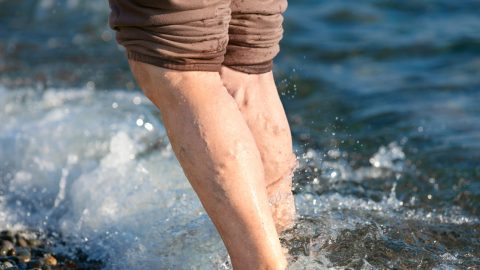
Standing for long periods—whether preparing Thanksgiving dinner or chatting with family—can worsen symptoms of varicose veins. Gravity adds extra pressure to veins, making them bulge or ache. Compression socks can help alleviate this by gently encouraging blood flow upward from your legs to your heart.

For optimal results, wear compression socks while cooking, serving, or even when relaxing after a meal. Good circulation reduces discomfort, prevents swelling, and helps avoid ulcers and other complications.

2. Keep Salt Intake Low

Thanksgiving menus are often packed with sodium-heavy dishes. While flavorful, too much salt can cause your body to retain water, increasing swelling and discomfort in your legs. Opt for fresh herbs and spices instead of table salt when seasoning your dishes.

Reducing sodium intake also supports healthy blood pressure and fluid balance, which are vital for maintaining proper circulation and preventing vein problems.

3. Elevate Your Feet

After a long day on your feet, take time to elevate your legs above heart level. This simple practice reduces the pressure on your veins, improves blood flow back to your heart, and helps relieve pain and fatigue. Even a few 15-minute sessions throughout the day can make a significant difference in how your legs feel.

4. Stagger Your Starches

Thanksgiving is synonymous with indulgent starches like mashed potatoes, stuffing, and pies. While these dishes are delicious, overindulging in carbohydrates can lead to blood sugar spikes, which may indirectly affect your vein health.

Try filling your plate with:

  • Half non-starchy vegetables: Think green beans, roasted Brussels sprouts, or a fresh salad.
  • A quarter lean protein: Opt for turkey with minimal gravy.
  • A quarter starch: Choose your favorite carb, but enjoy it in moderation.

Save room for dessert by portioning smartly—and savor any leftovers in the days to come.

5. Light Cardio

Lastly, light exercise after a meal can prevent blood from collecting in your legs, helping to reduce the effects of varicose veins. Simple activities like walking around the block to admire holiday lights or playing a quick game of catch with family can keep your blood moving.

Bonus: Light exercise after eating is also a great way to help stabilize blood sugar levels, offering benefits beyond vein health.

Schedule a Varicose Veins Appointment With Vascular Surgical Associates

Whether you’re seeking treatment for varicose veins or looking to manage other vein complications, Vascular Surgical Associates are your partners for top-notch treatment of venous conditions. To schedule an appointment, use our online appointment request form or contact our office by calling 770-423-0595.

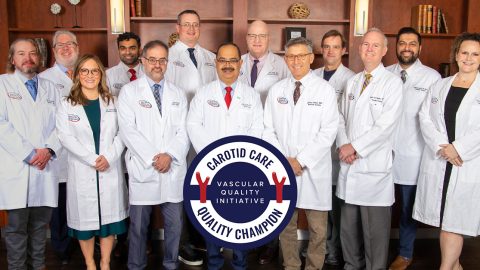
Vascular Surgical Associates, an acclaimed, Atlanta-based vascular specialist for more than 35 years, was recently honored for leading vascular surgery at WellStar Cobb Hospital and WellStar Kennestone Hospital. Both hospitals are being recognized nationally for their outstanding commitment to quality care in vascular surgery. These facilities have been designated as Carotid Care Quality Champions by the Society for Vascular Surgery Vascular Quality Initiative (SVS VQI) for 2024.

Vascular Surgical Associates’ work at these hospitals accounts for two of only 14 organizations honored in the state of Georgia, which allows vascular surgery patients the opportunity to choose the practice with confidence.

“We’re proud to be recognized by SVS VQI as a Carotid Care Quality Champion through our association with WellStar Cobb and Kennestone Hospitals,” says Dr. Arun Chervu, a board-certified vascular surgeon with Vascular Surgical Associates. “Our vascular surgeons are the ones who support and perform vascular surgeries at these hospitals. This distinction highlights our commitment to best practices and tracking patient outcomes in an effort to offer the highest quality of care possible.”

The SVS VQI, a national quality registry organization for vascular surgery in the U.S., honors healthcare organizations across the country dedicated to improving the safety and effectiveness of vascular care through participation and engagement in its carotid artery stenting and carotid endarterectomy registries. This information is then used to help scientific advancements, change clinical practice, and elevate patient care.

“Improving outcomes is a top priority for SVS VQI and our quality champions,” says Jens Eldrup-Jorgensen, MD, medical director, SVS Patient Safety Organization. “This recognition is only awarded to facilities that are demonstrating their commitment to quality through use of our carotid registries and leveraging real-world data to inform needed adjustments in care delivery. By working together, we are able to strive for the best possible outcomes and advance vascular care.”

To schedule an appointment with a Vascular Surgical Associates expert, please call 770-423-0595 or visit vascularsurgical.com/.

Vascular Surgical Associates

Vascular Surgical Associateshighly skilled team includes 13 board-certified vascular surgeons, all with years of experience diagnosing and treating vascular disorders. The entire team of healthcare professionals at Vascular Surgical Associates is dedicated to providing quality vascular care to our patients. Vascular Surgical Associates boasts an accredited non-invasive vascular lab at all nine locations, two angio suites, five vein clinics, four prosthetic centers, and a very large wound department. Go to vascularsurgical.com/ for daily updates.

SVS VQI

The Society for Vascular Surgery® Vascular Quality Initiative® (SVS VQI) is governed by the SVS Patient Safety Organization (SVS PSO), a wholly owned subsidiary of the Society for Vascular Surgery, which provides oversight of data sharing arrangements, key outcome and quality measure analyses, and dissemination of information to participating providers. SVS VQI comprises vascular surgeons, cardiac surgeons, general surgeons, cardiologists, radiologists and other specialists who perform vascular procedures collected in the VQI Registries, as well as Quality Improvement professionals, data managers, and others dedicated to improving patient outcomes. Over 1,000 participating centers are divided into 18 regional quality groups who meet biannually to discuss initiatives for improving the quality of vascular care. SVS VQI is powered by the Fivos cloud-based registry platform. To learn more about SVS VQI, please visit vqi.org.

If you’ve been dealing with frustrating varicose or spider veins, you may be looking into options for treatment. Depending on your specific condition, you could be a good candidate for sclerotherapy, an innovative treatment that causes veins to shrink. While it can be done any time of year, cooler seasons are ideal for this procedure.

Here’s a closer look at what sclerotherapy entails and why you might want to consider it as cooler weather approaches.

What Are Varicose & Spider Veins?

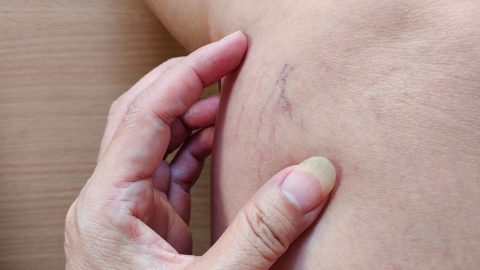
Both varicose and spider veins are damaged and discolored, but these two conditions have important differences.

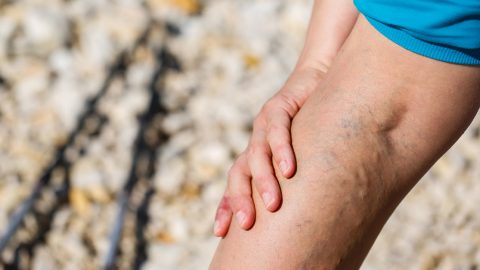
  • Varicose veins are often twisted and enlarged, and may appear rope-like.
  • Spider veins are smaller and closer to the skin’s surface.

While varicose veins can be blue, red, or skin-colored, spider veins are often red. Varicose veins typically develop on your legs, whereas spider veins can appear on either your legs or face.

Varicose and spider veins are more common in women and older adults. Risk factors also include pregnancy, obesity, menopause, and long periods of sitting and standing.

No matter their cause, it’s understandable that you might want your spider or varicose veins gone. Many people who have varicose veins experience achiness and other discomfort, while both spider and varicose veins can be a cosmetic concern. In the case of varicose veins, conservative therapies such as elevation, exercise, and compression stockings may be recommended before surgical interventions are pursued. But if you’ve tried other methods and are still experiencing symptoms or are unhappy with the appearance of your veins, now is an ideal time to begin sclerotherapy.

What Is Sclerotherapy?

Sclerotherapy is a process in which a chemical solution is injected into the varicose or spider vein. The solution irritates the vessel and causes it to swell, which eventually results in a shrinkage and collapse of the vessel altogether. Your body then naturally channels blood through other, healthier surrounding veins. Oftentimes, several treatments are needed to collapse the affected veins completely, especially if multiple veins are being treated.

“While sclerotherapy is considered a minimally invasive procedure with temporary discomfort, bruising and discoloration can appear at injection sites,” says Emily Lagergren, MD, RPVI. Furthermore, while spider and small varicose veins may respond to treatment in as little as three weeks, larger veins can take several months to vanish. During the recovery period, you may be encouraged to wear compression stockings to promote healing and to prevent additional varicose veins from forming. It’s also recommended that you avoid sun exposure, as UV rays could increase inflammation and impede healing.

For these reasons, it makes sense to plan sclerotherapy during a time when you’ll be more likely to keep covered with longer layers, or hunker warmly indoors. Fall is the perfect time of year to start, since it’s likely it will still be winter by the time you’ve healed completely. By the time warmer weather returns, you’ll be able to wear shorts and swimsuits with comfort and confidence.

Schedule a Sclerotherapy Consultation With Vascular Surgical Associates 

If you’re considering treatment for your varicose or spider veins, turn to Vascular Surgical Associates. Our doctors excel in spider and varicose vein removal techniques, including sclerotherapy. Schedule a consultation using our online appointment request form or by calling 770-423-0595.

Your circulatory system is a complex network of essential arteries, veins, and lymph vessels. Although this system is strong enough to sustain continuous pressure for many years, its overall performance can be impacted by certain diseases, known as vascular diseases. These conditions may affect a single isolated area, or your entire circulatory system altogether.

In order to protect and care for this intricate network, here we share a list of vascular diseases and the symptoms to watch for.

Common Types of Vascular Diseases

Atherosclerosis

The accumulation of fatty deposits (known as plaque) in your arteries is called atherosclerosis. Over time, this plaque buildup narrows your arteries, impeding blood flow. Atherosclerosis can be serious because it increases your risk of heart attack or stroke.

In many cases, atherosclerosis doesn’t produce symptoms until an artery is almost completely blocked, or until a stroke or heart attack occurs. Symptoms that do occur in these serious events will vary based on the affected artery’s location: 

  • Shortness of breath and unusual heartbeat can occur if coronary arteries are affected.
  • Drooping facial muscles, vision changes, and difficulty speaking can develop when a vein that carries blood to the brain is blocked. 
  • Numbness, leg pain while walking, cold feet, and aching or burning in your toes and feet can occur if arteries in your lower body are affected.

Peripheral Artery Disease

Peripheral artery disease (PAD) occurs when your arteries, usually in your lower extremities, become narrowed or blocked. While atherosclerosis is a common contributor, not all cases of PAD share this cause. Having high blood pressure, high cholesterol, diabetes, or a history of smoking can also lead to PAD.

The primary symptom of PAD is pain in your calf, thigh, hip, or buttocks during walking and other physical activity, which typically subsides when you’re able to rest. Other signs include muscle atrophy, nonhealing ulcers or sores on your legs and feet, and numbness in your feet.

Carotid Artery Disease

Also known as carotid artery stenosis, carotid artery disease occurs when your carotid artery becomes blocked by plaque. This large artery is found on either side of your neck and is responsible for delivering blood to your brain. Carotid artery disease can develop in one or both arteries. In either case, having this condition increases your risk of stroke.

Like some other vascular diseases, carotid artery disease may not present symptoms on its own. Symptoms can occur, however, when pieces of plaque travel to and cut off blood flow to part (or parts) of your brain. Known as a transient ischemic attack (TIA), this temporary blockage often precedes a full-blown stroke and may present similar symptoms. Drooping of one side of your face, slurred speech, loss of vision, and loss of sensation can all point to either TIA or stroke.

Deep Vein Thrombosis

Deep vein thrombosis (DVT) is characterized by a blood clot in one of the major veins of your body. Because clots can dislodge and reach your lungs, where they can obstruct vital blood and oxygen flow, DVT is considered a medical emergency. Symptoms include pain and swelling in your leg, skin that feels warm to the touch in the affected area, and skin color changes near the clot. If the clot travels and reaches your lungs (known as a pulmonary embolism), symptoms may include accelerated pulse and breathing, lightheadedness, chest pain, and shortness of breath.

Schedule an Appointment With Vascular Disease Specialist at Vascular Surgical Associates

Vascular diseases can be serious and always call for specialty care. From venous to arterial conditions, our specialists offer a range of services and will ensure you receive the best possible care. If you are concerned about your vascular health for any reason, schedule an appointment online or by calling 770-423-0595.

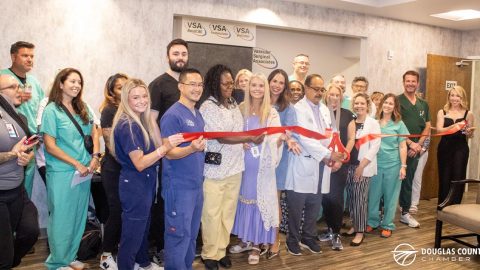
Vascular Surgical Associates Physicians, Arun Chevru, MD; President and CEO, Michael Corey, MD, Jeffrey Winter, MD, Director of Clinical Services Cathy Koeplin, RN, Dawn Teer, Marketing Director, Laura McEntire, Back Office Manager along with community members, friends, staff, and Chamber representatives celebrated the grand opening of their new practice by holding a Douglas County Chamber Ribbon Cutting on August 21st at their location, 6095 Professional Pkwy in Douglasville.

Vascular Surgical Associates, a full-service vascular surgery practice, has been a trusted provider of expert care in the Metro Atlanta area since 1986. With a team of 13 board-certified vascular surgeons, the practice is dedicated to helping patients achieve optimal physical and mental well-being through a personalized approach that prioritizes preventative care. Leveraging decades of experience, Vascular Surgical Associates offers unparalleled expertise in treating vascular conditions, wound care, veins, dialysis access, and prosthetics, utilizing the latest technology and techniques in both surgical and non-surgical solutions. Their ICAVL-accredited Vascular Labs, staffed by skilled registered vascular technologists, provide comprehensive vascular imaging services through non-invasive ultrasounds conducted right in the office. Committed to empowering the community, Vascular Surgical Associates focuses on raising awareness of chronic issues, enabling patients to take control of their health, ultimately enhancing their quality of life.

Douglas County Chamber President and CEO, Sara Ray, congratulated Vascular Surgical Associates on their new location, and welcomed them to the Chamber, “We are so thrilled to have your business here in Douglasville and a part of the Douglas County Chamber family. Thank you for providing full-service treatment and care to the citizens of Douglas County. We look forward to supporting and promoting Vascular Surgical Associates for many years to come.” For more information about Vascular Surgical Associates or to schedule a consultation, contact us at 770-423-0595 or visit our website at vascularsurgical.com/

When high temperatures and excessive humidity persist, we can expect to feel at least a little uncomfortable, and with good reason. Heat affects many mechanisms in your body, and your vascular system is no exception. 

With record-breaking heat this summer, it’s no surprise we’re seeing summer affecting vein health for many people. Here’s what you should know about warm weather and your veins.

Why Are Veins Worse in Summer Heat?

When the air is hot and humid, your heart has to work harder to dissipate excess heat. One way it does so is through vasodilation, or the widening of your blood vessels to enhance blood flow. By increasing the volume and rate of blood flow (by as much as four times), your body loses heat, thus regulating its temperature.

Although vasodilation has an overall positive effect, it can be uncomfortable — especially if you have preexisting vein issues like varicose veins. As your already-enlarged veins fill with more blood, you may notice your symptoms intensifying: swelling, aching, itching, and other forms of discomfort can increase if you’ve been spending time out in the heat.

And though vein conditions are worse in summer weather, it’s also your entire cardiovascular system that may become strained in the heat. Pumping more blood at a faster rate can stress your heart, which can worsen when you lose sodium and potassium through sweat. 

Heat stress can also occur, in which your body is unable to eliminate excess heat quickly enough as your core temperature rises. Although cooling off quickly can reverse the impact of heat stress, if left unaddressed it could lead to heat stroke, a more serious condition that causes your sweating mechanisms to fail to cool you off, potentially leading to seizures or even death. Risks of heat illness are greatest when the temperature exceeds 70 degrees and humidity is above 70%, especially for people who are over the age of 50, are overweight, or have preexisting heart, lung, or kidney problems.

Ways to Beat Heat Illness and Reduce Vein Swelling in Summer

Fortunately, there are steps you can take to reduce the effects of vein issues in the summer while also preventing heat stress.

Minimize outdoor activities

If possible, keep your outdoor activities concentrated in the early morning hours or evenings, when the temperature is lower.

Stay cool outside

If you have to be outside, cool off by taking frequent breaks in the shade or air conditioning. Use a cooling towel or personal fan to help keep your body temperature down. Wear breathable, lightweight fabrics in light colors.

Hydrate

Not only does excess sweat cause you to lose essential minerals, but it can also make your blood thicker and more difficult for your arteries to circulate. Get plenty of hydration this season by drinking lots of water and eating water-rich foods like watermelon, cantaloupe, cucumbers, and lettuce. 

Cut your salt intake in summer

With summer affecting veins in such pronounced ways, it’s best to limit any added stress on them however you can. One way to do so is to avoid salty foods. Your kidneys work to maintain a balance of salt and water, so they will hang onto extra moisture if you’ve had more salt than usual. This retained water will put more pressure on already-stressed veins, so try to cut your sodium intake when the weather is hot.

Schedule an Appointment With Vascular Surgical Associates 

While these prevention strategies can help you avoid worsening vein issues, ongoing symptoms may persist no matter the weather. If you’re experiencing vein problems, turn to our vein center for help from one of our board-certified vascular surgeons. For appointments, request a visit using our online form or by calling 770-423-0595.

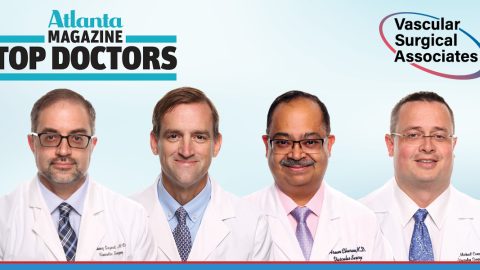
Drs. Arun Chervu, Michael Corey, John E. Jones, and Shariq Sayeed appear in Atlanta magazine’s July issue

Four physicians from Vascular Surgical Associates rank among Atlanta’s Top Doctors in Atlanta magazine’s July issue. Drs. Arun Chervu, Michael Corey, John E. Jones, and Shariq Sayeed receive the honor, which annually recognizes notable physicians among the area’s healthcare landscape. 

“We would like to congratulate our four physicians who appear on this year’s Atlanta magazine’s Top Doctors list,” says Tiffany Little, executive director and COO of Vascular Surgical Associates. “At Vascular Surgical Associates, we aim to provide top-tier vascular care. Our team is composed of physicians who are leaders in their specialty, as this recognition shows. 

Atlanta magazine creates its list from a roster of doctors selected by Professional Research Service (PRS). More than 1,200 physicians appear on the publication’s 2024 list. These doctors represent the following counties in Georgia: Carroll, Cherokee, Clayton, Cobb, Coweta, DeKalb, Douglas, Fayette, Forsyth, Fulton, Gwinnett, Hall, Henry, and Rockdale. PRS creates its list by conducting an online peer-review survey of physicians in the metro Atlanta area. Physicians are asked to nominate fellow physicians they deem the best in their field of practice. Many votes were cast honoring excellence in all fields of medicine. The featured doctors were screened and selected through the verification of licensing and review of any infractions through applicable boards, agencies, and rating services. 

To schedule an appointment call 770-423-0595 or visit vascularsurgical.com/

Dr. Arun Chervu is a partner at Vascular Surgical Associates, PC in Marietta, Georgia. Dr. Chervu received his undergraduate degree in chemical engineering at Princeton University, graduating magna cum laude, and received his Doctor of Medicine from Cornell University Medical College. He completed his surgical residency and fellowship at UCLA School of Medicine. Dr. Chervu’s hospital appointments include Wellstar Kennestone Hospital and Wellstar Cobb Hospital. He is actively involved in clinical research and is director of clinical trials for Vascular Surgical Associates. 

Dr. Michael Corey received his undergraduate degree in chemistry at the College of the Holy Cross. He attended Tufts University School of Medicine where he solidified his interest in surgery. He completed a general surgery residency and vascular surgery research fellowship at Vanderbilt University School of Medicine. Dr. Corey joined Vascular Surgical Associates in 2016. 

Dr. John E. Jones is president and CEO of Vascular Surgical Associates. He received his undergraduate degree in English literature at the University of Georgia. He then received his Doctor of Medicine at the Medical College of Georgia. He went on to complete his surgical residency at Boston University Medical Center, followed by his vascular surgery fellowship at Massachusetts General Hospital, also in Boston, Massachusetts. Dr. Jones is a member of the Society of Vascular Surgery and Georgia Vascular Society.

Dr. Shariq Sayeed received his undergraduate degree in biology at Emory University. He received his Doctor of Medicine at Emory University School of Medicine. After completing his surgical residency, he pursued a vascular/endovascular surgery fellowship at the University of Pittsburgh Medical Center. Dr. Sayeed is board certified in general and vascular surgery. His hospital appointments include Wellstar Kennestone Hospital and Wellstar Cobb Hospital. 

Vascular Surgical Associates’ highly skilled team includes 13 board-certified vascular surgeons, all with years of experience diagnosing and treating vascular disorders. The entire team of healthcare professionals at Vascular Surgical Associates is dedicated to providing quality vascular care to our patients. Vascular Surgical Associates boasts non-invasive Vascular Labs, which are ICAVL accredited to perform non-invasive studies. Skilled registered vascular technologists specialize in vascular ultrasounds. This is a non-invasive way to image your arteries and veins in our office. Go to vascularsurgical.com/ for daily updates. 

Interviews are available upon request.

In the summer, heat and humidity may change certain aspects of your prosthetic use. It’s normal to sweat more and experience slight changes in fit during this time, and you’ve likely been preparing for these weather-related developments since we first discussed them this spring.

Now that the hottest weather is upon us, we’re diving deeper into care tips to help you manage high temperatures and sweat this season.

The Heat’s Affecting My Prosthetic: Five Strategies to Help

Try moisture-wicking materials.

“There’s sweat in my prosthetic” — This is a concern we hear from amputees frequently. Typically, sweat pools in the gel or silicone liner between your limb and the prosthesis, where it can lead to slipping and discomfort. Over time, this sweat accumulation can also foster the development of bacteria, which could lead to infections.

One solution to consider is a moisture-wicking sock. While it won’t stop sweat from forming, it can help wick moisture away, keeping your skin and liner dryer. Consider having several socks on hand so you can change them throughout the day, and wash them after each use following the manufacturer’s instructions.

Although moisture-wicking socks designed for residual limbs may offer the best fit, some amputees have success with other fabrics, too. In a pinch, you might consider using a cotton handkerchief, or even placing nursing pads between your residual limb and your liner to absorb moisture.

Apply an antiperspirant.

Antiperspirants can prevent sweating, but the stick type you purchase from a drugstore may fall short. Instead, look for a clinical-strength formula with an astringent such as methenamine, which has been found to limit sweating in residual limbs. Apply the product at night to give it time to activate on your skin.

Wash and dry your liner thoroughly.

“To eliminate bacteria, your gel or silicone liner should be washed after each day of wear,” Eric Chen, Director of VSA Prosthetics, recommends. “Use warm water and a drop of soap to thoroughly clean both sides, then pat it dry using a lint-free towel. Allow it to air dry with the gel or liner facing in, since prolonged exposure to the air will accelerate its wear and may lead to cracks.”

When it comes to selecting a soap for your liner, you have many options to consider. There are prosthetic cleansers designed specifically for use on silicone and gel, but some amputees find that these products cause skin irritation. Test new products on a small patch of your skin first. If you’re concerned about irritation, Dawn dish soap is a gentle alternative to try.

Take breaks.

Even with the strategies above, sweat can be stubborn. Give your residual limb some air throughout long periods of wear by taking ten-minute breaks. If possible, use this time to wash your skin with mild soap and water and allow it to air dry.

Watch for skin changes.

Check your skin each morning and evening for signs of irritation, such as red patches or blisters. Specially-formulated dressings can be applied to prevent skin breakdown, but avoid using any oils, lotions, or talc powder on your residual limb. These products can create excess friction or otherwise affect the fit of your prosthetic.

Schedule an Appointment With Vascular Surgical Associates 

Part of ensuring that you can thrive with your prosthetic is first ensuring you have the right fit. The prosthetic care team from Vascular Surgical Associates is here to support you through each step of your journey, from your custom prosthetic design to follow-up care. To request an appointment, use our online form or call 770-423-0595.

While summer heat won’t cause varicose veins, it could make them feel worse than usual. As your body attempts to shed heat to maintain a consistent temperature, your blood vessels will dilate. This means already-enlarged veins can grow even bigger, intensifying the discomfort you’re encountering.

If you experience increased pressure, pain, or throbbing sensations around your varicose veins when the weather gets warmer, here’s what you can do to manage those symptoms this season.

How to Cope with Varicose Veins in Summer

Kick Your Feet Up

Elevating your legs could help ease the symptoms of varicose veins. When your legs are positioned above your heart, you’ll prevent blood from pooling in your lower body and putting extra pressure on your veins. A relaxing summer day is the perfect excuse for elevating your feet, whether you’re enjoying an afternoon rest in your hammock or propping your legs up poolside.

Try Compression Socks

Tight, knee-high socks may sound like the least appealing wardrobe option for the summer, but consider this: In a 2021 review, researchers found that participants who wore compression socks consistently reported improvements in their varicose vein symptoms. These garments work by putting pressure on your ankles and lower legs to gently encourage blood to flow back upwards. If your daily routine involves air conditioning, you may find that graduated compression socks are tolerable in the summertime. 

Drink Water

When you’re dehydrated, your blood holds onto excess sodium. It becomes thicker and more difficult to push through your arteries, but getting enough fluids is an easy fix to encourage circulation. Sip lots of water this summer to replenish any hydration you lose through sweat. Women should aim for 2.7 liters of water or water-containing foods daily, while men need up to 3.7 liters.

Avoid High-Sodium Foods

If you’ve ever felt swollen after eating salty foods, it’s not your imagination. Your kidneys need to maintain a certain sodium-to-water ratio to keep your body functioning optimally, so they’ll retain extra water if you’ve had more salt than usual. But the added volume creates more pressure on your legs, so cut back on salty foods if you have varicose veins – especially this season.

Aim for Routine Exercise

While some rest will alleviate varicose veins, you don’t want to stay completely sedentary. Regular exercise can provide relief from varicose veins by keeping your blood flowing to and from your legs. Walking is a simple yet effective option: it activates the muscle pump action in your calves, strengthening your body’s ability to circulate blood back upwards. Swimming can have a similar effect and is an especially great option if you’re looking to minimize the impact of exercise on your joints. 

See a Varicose Vein Specialist

While the methods above may alleviate some of the nuisances that come with varicose veins, summer heat will persist year after year, and these fixes are only temporary. For a more permanent solution, consider varicose vein treatment. You’ll feel better not only when the warm weather hits, but year-round.

Experiencing Varicose Vein Problems? Schedule an Appointment With Vascular Surgical Associates

Vascular Surgical Associates offers several treatment options for varicose veins, including minimally invasive procedures that can put an end to your discomfort. To schedule a consultation, call 770-423-0595 or request an appointment online.

Your vascular system is among the most important networks in your body. Through your veins and arteries, blood travels to and from essential organs like your heart and lungs. As we age, our risk for certain vascular conditions increases. Many of these can create blockages that stop blood flow, potentially leading to serious issues like heart attack or stroke.

But while age is a factor we can’t control, there are ways to promote vascular health at every stage of life. Here are some steps seniors can take to care for their veins.

Supporting Vascular Health for Seniors: Four Tips

Get Moving

Aerobic exercise, which raises your heart rate, helps your vascular system function well. When you’re physically active, you keep your heart conditioned and prevent it from having to work harder, which in turn keeps your blood pressure within a healthy range. Simply put, being physically active is one of the best ways to boost vascular health for seniors.

Make it your goal to get 150 minutes of moderate exercise weekly, which includes activities like dancing, riding your bike, brisk walks, and yardwork. Move at least a little each day, and avoid long bouts of sitting. Being sedentary allows your blood to pool in your lower legs, which can put pressure on your veins and increase your risk for blood clots.

Scale Back on Sodium

People of all ages should prioritize a nutrient-rich diet for overall wellness, including vascular health. Eating well gives your body the macro and micronutrients it needs to function at its best. It may also help you prevent diseases that impact your vascular health, like diabetes. But if there’s one dietary tip seniors should focus on for vein health, it’s cutting back on sodium.

While sodium can come in the form of table salt, it’s also added to many other foods, from milk and meat to packaged products like chips, pretzels, and bread. Too much sodium is dangerous because it prompts your body to retain more fluids, increasing the pressure on your artery walls. Watching your salt intake can have tremendous benefits, though: Consuming 1,500 mg of sodium per day (instead of the 2,300 mg maximum recommended by the Dietary Guidelines for Americans) could lead to a 25% decrease in blood pressure.  Start by ditching the table salt, then begin tracking your salt intake by reading nutrition labels on the foods you eat throughout the day.

Avoid Smoking

Nicotine and other chemicals in cigarettes can cause inflammation in your blood vessels and allow plaques to develop on artery walls. Smoking has been attributed to one in four deaths from cardiovascular disease, but there’s good news: quitting improves your vascular health immediately, and things only get better over time. Talk to your doctor about the best smoking cessation method for you.

Monitor Your Key Health Metrics

There are many other factors that contribute to vascular health, including lifestyle, genetics, and environment, each of which have their own set of influences. In addition to exercising, eating well, and avoiding smoking, going for routine doctor’s visits will help you stay on top of other key health metrics. Blood pressure, blood sugar levels, and cholesterol can all be important indicators of vascular health for seniors, not to mention patients of all ages. By tracking these metrics, your doctor can watch for any changes that may indicate a need for further lifestyle changes or treatments.

Schedule an Appointment With Vascular Surgical Associates 

Caring for your vascular health also means controlling any conditions you’ve been diagnosed with, such as peripheral artery disease (PAD). Our providers at Vascular Surgical Associates specialize in the diagnosis and treatment of this and other vascular conditions. Request an appointment online or by calling 770-423-0595.