Prosthetic therapy is a specialized type of physical therapy that helps rehabilitate patients who have received a prosthesis to replace a lost limb. Growing accustomed to a prosthesis can be challenging — it’s a major life change — which is why it’s critically important for patients to have support through every step.

Challenges that come with loss of a limb and adjusting to a new prosthesis include excessive sweating (which can prevent a proper fit), as well as phantom limb pain and weakness in the residual limb. In some cases, the residual limb may also change shape within the first year after amputation as the tissue heals. 

Here are some of the goals of prosthetic therapy and what to expect if you’ll be starting sessions.

What’s Covered in Prosthetic Therapy?

Adjusting the New Prosthesis to You

Prosthetic therapists help you avoid discomfort by finding ways to prevent friction between the prosthetic and your residual limb, and ensuring a proper fit.

Recent advances give therapists more options to leverage evolving prosthetic limb technology. For example, there are various specialized prostheses available for different activities, including exercising and showering.

Your therapist can work with your prosthetist to find the best solutions, making your adjustment as smooth as possible, while allowing you to return to the activities most important to you. When needed, they can also help you adjust a new prosthesis that replaces an old one.

Helping You Adjust to the New Prosthesis

Learning to move with a prosthetic limb isn’t easy. Following a leg amputation, for instance, many people experience a shifted center of gravity. After surgery, you may get used to this “new normal,” but then you have to reorient to balancing yourself once you receive your prosthetic leg. 

Prosthetic therapists help patients navigate these challenges through guided exercises, so that you can move safely and efficiently throughout your normal activities. Your prosthetic therapist can also address phantom limb pain with approaches such as mirror therapy, during which you perform exercises while looking in the mirror.

Building Strength

To use a prosthesis in a way that’s effective for completing everyday tasks, you’ll need enough strength in any residual limb and throughout that side of your body. One goal of prosthetic therapy is therefore building strength with targeted exercises that will help you regain the muscle mass needed to easily move about your life with your new prosthesis.

Restoring Quality of Life

One final goal of prosthetic therapy is restoring your quality of life to a point as close as possible to that which you enjoyed before amputation. Depending on what you’re struggling with, your prosthetic therapist may help you relearn to complete routine tasks like walking, getting dressed, bathing, preparing meals, and driving. This may involve rebuilding motor and occupational skills using assistive devices, targeted exercises, and other forms of therapy.

The prosthetic and medical team at Vascular Surgical Associates is committed to staying at the forefront of new developments in prosthetic technology and care. Our outcome-based Total Prosthetic Care Plan offers the highest level of prosthetic expertise, designed to fit the unique needs of each individual. View a list of our locations online, and then schedule an appointment by calling 770-423-0595.
Mesenteric disease occurs when the arteries that supply blood to the intestines become narrower. Also known as mesenteric ischemia or mesenteric vascular disease, the condition may come on suddenly or develop over time. Here’s everything you need to know about this condition.

Causes

Mesenteric disease is a result of atherosclerosis, or the buildup of fats and other substances that form into plaque. This plaque adheres to the walls of your arteries, thereby reducing their internal circumference. Atherosclerosis worsens slowly over time. 

There are several risk factors for atherosclerosis, including:

  • High blood pressure
  • High triglycerides
  • Diabetes
  • High cholesterol
  • Obesity
  • Inflammation from other conditions, such as arthritis, lupus, or inflammatory bowel disease
  • Having a family history of early heart disease
  • Tobacco use
  • Sedentary lifestyle

Mesenteric disease is fairly uncommon overall, but is seen more often in seniors, especially those with cardiovascular conditions or blood clotting disorders. People with certain vein conditions, such as peripheral artery disease and coronary artery disease, may also be more at risk.

Symptoms

There are two types of mesenteric disease: acute and chronic. Acute mesenteric disease happens when there’s a sudden loss of blood flow to the intestines caused by a blood clot. This condition is serious and requires immediate surgery. It’s often characterized by fever, nausea and vomiting, abrupt and extreme abdominal pain, and an urgent need to have a bowel movement.

Chronic mesenteric disease may develop slowly over time as blood flow to the intestines decreases. Its symptoms typically include abdominal pain that begins about a half hour after eating, worsens over an hour, and goes away within three hours. The chronic condition can also result in unexplained weight loss. Left unaddressed, it could progress into acute mesenteric disease or cause malnutrition.

Diagnosis

If mesenteric disease is suspected, there are several methods providers can use to diagnose it. Ultrasound or direct imaging of the artery may be used to determine the exact location and extent of the blood flow blockage. Some common diagnostic imaging approaches include:

  • Mesenteric ultrasound
  • CTA (computerized tomographic angiogram) scan
  • Mesenteric angiogram

Treatments

The treatment used for mesenteric disease depends on each patient’s unique condition. Immediate surgery is needed to treat acute mesenteric ischemia. In some cases, chronic mild mesenteric disease may be managed successfully through observation and lifestyle changes such as routine exercise, smoking cessation, and management of contributing factors like high blood pressure and cholesterol.

When treatment is required, a minimally invasive endovascular procedure known as angioplasty and stenting may be used. In this technique, surgeons use stents and balloons to open the arteries, thereby improving blood flow to the intestines. Typically, a catheter with a small balloon is inserted through an artery in the groin area, then guided to the location where the artery has become too narrow. Once the catheter reaches the blocked portion, the balloon is inflated to widen the area. The stent, which features a wire-mesh tube, can be used to reinforce the artery, if needed.

As leaders in treating venous conditions, Vascular Surgical Associates offers cutting-edge treatments to facilitate the best possible outcomes for mesenteric disease. To schedule a consultation, call (770) 423-0595 or contact us online.

Diabetic ulcers are open sores which commonly develop on the feet. Anyone who has diabetes can develop an ulcer, which forms as a result of combined factors such as decreased circulation and limited sensation. Vascular diseases can further complicate ulcers by impeding healing abilities and increasing the risk for infection. 

Fortunately, serious ulcer complications, such as the need for amputations, can often be avoided with the right care. Here’s a closer look into how diabetic ulcers can be managed effectively.

Treatment Approaches for Diabetic Ulcers

First and foremost, the goal for treating any diabetic foot ulcer is to heal the wound as quickly as possible. There are several strategies to facilitate this:

Infection Prevention

Preventing infection is critical to reducing the risk of complications from diabetic ulcers. Controlling blood glucose is one important step, as elevated levels can impede healing. You should also clean the wound and change the bandage or dressing daily, and avoid going barefoot, even around the house.

Offloading

Offloading is the process of reducing pressure put on the ulcer to accelerate healing. Healthcare providers may recommend braces, casts, special shoes, wheelchairs, or crutches to aid in pressure reduction. Sometimes, compression therapy, such as the use of compression stockings or bandages, may also be recommended.

Debridement

In some cases, a provider may need to perform debridement to remove dead skin and tissue around the ulcer. In this minor surgery, the wound is cleaned and disinfected, and all dead tissue is removed until only viable tissue remains. “The resulting sore will be bigger and deeper than the original ulcer,” acknowledges Vicky Bryan, “but should be more likely to heal.”

Wound Dressings & MedicatioN

There are several types of dressings that can be used for ulcers. Contrary to the belief that exposing a wound to air facilitates healing, we now know that keeping an ulcer covered and moist actually promotes faster recovery and reduces the risk of infection.

This is why it’s important to follow wound care recommendations precisely. For instance, your provider may recommend wet-to-dry dressings, which absorb wound material as they dry and remove dead tissue when taken off. Some dressings also contain medicine, such as hydrogel or hydrocolloid dressings. Your wound care specialist will provide instructions on how often to change the dressing and what type to use.

Special Treatment for Larger Diabetic Ulcers

Many diabetic ulcers can be treated through minimally invasive approaches. In some cases, more significant treatment may be needed. Several surgical techniques can promote healing, such as vacuum-assisted closure and skin grafts for larger wounds that are unable to close on their own.

Can Diabetic Ulcers Be Prevented?

The best way to tend to diabetic ulcers is to prevent them from happening in the first place. “Wearing shoes that fit properly, controlling your blood sugar, keeping your feet clean, and inspecting your feet for any changes can help to reduce your risk,” advises Vicky Bryan.  Even seemingly minor issues, such as cracks, blisters, redness, and cuts could develop into an ulcer if left unaddressed. Any foot problem that doesn’t heal on its own within several days should therefore be assessed by a healthcare professional.

To thoroughly treat diabetic ulcers, it’s always best to work with a vascular surgeon. Our team has specialized expertise in wound treatment, including preventing infections and other complications. To schedule an appointment with our wound care experts, connect with us online or call (770) 423-0595.

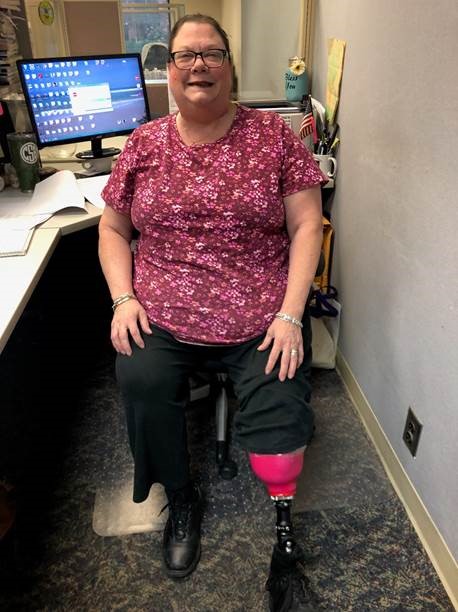
Carol S. sitting, smiling at her computer desk at work with her prosthetic leg.

Vein clinics are specialty care centers focused on the diagnosis and treatment of venous (vein) conditions. These clinics are led by vein doctors and specialists who are experts in vein health.

Whether you’re seeking care for a specific vein issue or you’ve been referred to a vein specialist by your general practitioner, here’s everything you need to know about vein clinics.

The Purpose of a Vein Clinic

In short, vein clinics can treat both frustrating cosmetic conditions, such as bulging varicose veins and noticeable spider veins, as well as venous conditions that carry serious medical risks. With advanced technology and trusted vein specialists, vein clinics improve quality of life for patients with any vein-related concerns.

Our vein clinic is specifically designed to diagnose and provide treatment to alleviate symptoms for patients who suffer from varicose and spider veins or venous reflux. Typically these symptoms include swollen, painful legs, and the physical and aesthetic discomfort of bulging veins. In severe cases, vein problems may cause open wounds that also need the special care and attention our vein clinic can provide. 

What Conditions Are Treated at Vein Clinics?

There are many conditions that can affect your veins, so vein clinic treatments span far and wide. With five different locations, Vascular Surgical Associates’ vein clinic locations provide treatment for varicose and spider veins, which can be medical and/or cosmetic concerns. 

Today, many vein treatments employ technologically advanced procedures that are minimally invasive and require little downtime. Below is a list of the venous interventions we perform to aid with venous reflux, varicose veins, and spider veins. 

  • Ambulatory microphlebectomy removes diseased veins via small incisions
  • Sclerotherapy consists of a saline and foam injection to address spider veins
  • Radiofrequency closure uses radiofrequency energy delivered via catheter to close problem veins
  • Endovenous laser therapy is an ultrasound-guided procedure that seals veins via laser
  • Cosmetic laser therapy treats spider veins that are too small for needle injections

Why Choose Vascular Surgical Associates?

In addition to the valuable resources and services that vein clinics provide for those seeking cosmetic and medical vein treatment, Vascular Surgical Associates also provides expert care for venous and vascular conditions. 

Here, our certified vascular surgeons are available to supply all vascular needs in-house, providing patients with a convenient one-stop location for comprehensive vascular care. All of our surgeons complete a fellowship specifically certifying them in treating and managing all conditions involving arteries and veins. No matter the style or intervention required, we can treat all vascular-related conditions without having to refer you to another specialist.

We have five vein clinic locations for our patient’s convenience in the following cities: Catersville, Hiram, East Cobb, Marietta, and Alpharetta.If you have a vein condition, turn to the vein clinic at Vascular Surgical Associates. Our highly skilled team offers both surgical and non-surgical treatments for a wide range of conditions. Find the location most convenient to you, and schedule an appointment by calling 770-423-0595.

Your diet affects virtually every aspect of your health, and your arteries and veins are no exception. Because the circulatory system plays a critical role in keeping us healthy — and circulation issues can have serious implications on our wellness — it’s important to follow a healthy diet. Here’s more of what you should know about vascular health and nutrition.

Read More

We are proud to announce that Vascular Surgical Associates was listed as one of Georgia’s leading regional vein care practices by the Georgia Business Journal.

“It is an honor to appear on the Best of Georgia Regional Winners list,” Dr. Arun Chervu, partner at Vascular Surgical Associates, says. “This award reflects our team’s commitment to providing premium vascular care to all. We are incredibly grateful for our community and will continue to value their feedback. Without them, we wouldn’t be where we are today.”

Georgia Business Journal’s Best of Georgia list names winners in more than 20 business categories and community sectors, including Arts & Entertainment, Beauty & Spa, College & Specialized Training, and many others. The publication uses Better Business Bureau complaint reports and voting pattern analysis reports to approve readers’ nominations for Best of Georgia, Regional, and Honorable Mention winners.

We would like to thank our patients for supporting and voting for us. We would not have been able to accomplish this without you!

To make an appointment with a Vascular Surgical Associates physician, call 770-423-0595. Learn more about which communities we serve on our locations page.

Put your feet up: It’s advice we’re often given after a long day. But is this practice actually good for your health — in particular, your circulation? Let’s take a closer look.

Read More

February is all about hearts, from the pink and red decorative ones to the spotlight we put on your anatomical version for American Heart Month. 

As you think of heart health this month and beyond, extend your focus to your veins, which also play a major role in keeping your heart healthy. Here are a few simple, effective ways you can give some love to your veins.

Keep moving

Exercise boosts circulation, which can help to reduce the risk of blood clots or the development of varicose veins. But did you know certain high-impact exercises can actually increase blood pressure in the legs, which could contribute to varicose veins? The best exercises for vein health include walking, swimming, cycling, and yoga.

Extended periods of sitting or standing can have a negative impact on your veins, so keep blood circulating by getting up to move regularly. If you’re on your feet throughout the day, be sure to provide your veins relief by taking regular sitting breaks, too.

Stay hydrated

When you become dehydrated, the blood retains more sodium. This thickens your blood, making it more sluggish, and therefore more difficult for it to circulate throughout your veins. Help blood travel through your body with ease by staying hydrated. Most women should have 2.7 liters of water or water-containing foods each day, while men may need up to 3.7 liters. 

Avoid smoking

Here’s yet another reason to quit smoking: the nicotine found in cigarettes constricts blood vessels. Naturally, narrower blood vessels make it more difficult for blood to flow freely. It should therefore come as no surprise that smoking leads to a hypercoagulable state, or a condition in which blood is more likely to form clots. The effects of smoking can be dangerous to your vein health (and the rest of your body) even in low doses, so make a plan to quit.

Limit Saturated Fats

Nutritional choices that promote vein health align with many common sense practices for eating well. For example, you’ll want to limit foods high in saturated fats, which contribute to clogged arteries. These include red meat, eggs, and full fat dairy products.

Get Plenty of Fiber

Eating a fiber-rich diet could also benefit your veins. Good sources of fiber include whole grains, cooked vegetables, fruit, oatmeal, nuts, and leafy greens. “Fiber helps to keep the digestive system functioning well and also helps keep you at a healthy weight,” says Dr. Shariq Sayeed, “which relieves the pressure on your veins created by being too heavy.”

Use Compression

Compression stockings put pressure on the legs to help encourage blood flow back upwards. They’ve been shown to control leg swelling and discomfort and may even help to reduce the appearance of varicose veins.

Get Checked by a Doctor

If you have bulging veins, there’s a chance there may be a medical issue that needs to be addressed. Varicose veins aren’t always a health risk, but they could increase the risk of a blood clot. For this reason, it’s a good idea to have your veins checked by a specialist if you suspect any issues.

For exceptional vein care in the metro Atlanta area, turn to Vascular Surgical Associates. See our full list of locations online or call 770-423-0595 to schedule an appointment.

For individuals who have experienced limb loss, the prosthesis that delivers the best possible outcome will be the one that has a proper fit. An improperly-fitted prosthesis can cause discomfort and could even damage other parts of your body. 

While it may take some time to find, and then adjust to, a prosthetic device, here are a few tips to bear in mind during your search.

Four Factors to Seek in a Well-Fitting Prosthetic 

1. Composition That Meets Your Needs

There are two main types of limb prostheses: exoskeletal and endoskeletal. Exoskeletal prostheses feature a hard, outer plastic or metal shell resembling the shape of the limb, and are not easily adjusted after they’re made. The materials these prosthetics are built with do hold up well against a variety of environments and rigorous use, making them a good choice for people who enjoy the outdoors or perform weight-bearing physical labor. 

Endoskeletal prostheses have an inner skeletal structure, with a softer covering — often of synthetic skin. While these are a bit less durable, they have a wider range of motion, are more easily adjusted, and often less cumbersome. 

2. A Snug-Fitting Socket

To ensure a precise fit, a prosthetist creates a mold of the residual limb using fiberglass, plaster, or computer imaging. This mold is then used to build a model of the limb, around which a socket is formed. This socket is thoroughly tested using a diagnostic prosthetic to make sure it will provide the optimal comfort, support, and stability you need. 

As this is one of the most important elements of getting a prosthetic limb, fitting typically takes several appointments with your prosthetist, and can involve over a dozen separate fabrication procedures in the lab. While the process can feel drawn out, finding a team that takes their time to ensure the absolute best fit is essential to your long-term comfort, support, and functionality.

3. Ample Cushioning

For optimal comfort, the area where the residual limb meets the prosthetic must be supported with appropriate cushioning. Many prosthetists use an interface featuring a silicone gel or viscoelastic material to keep the skin protected and adjust pressure as needed.

4. Ongoing Support

Using a prosthetic device comes with a steep learning curve which calls for ongoing support, potentially including physical and occupational therapy. Depending on the site of your amputation, it may take several months before you’re ready for continuous use.

“The right prosthetist will collaborate with your other healthcare providers to take a multidisciplinary approach in your prosthetic care plan,” assures Eric Chen, Vascular Surgical Associates’ prosthetist. For example, at Vascular Surgical Associates, our rehabilitation program may include consultations from other specialists, peer visits with amputees who have successfully navigated their prosthetic journey, and a treatment plan involving specialized and individualized techniques.

The best prosthetics team will also provide continuous check-ins, as parts of your prosthesis may need to be replaced at regular intervals over the coming years. They can also help you watch for signs of a poor fit, such as blisters, difficulty moving the prosthesis, and too much movement of your residual limb within the socket. 

With prosthetic expertise and cutting-edge technology, Vascular Surgical Associates offers a supportive path towards the goals you have in mind after limb loss. Find out more about our Total Prosthetic Care Plan online or schedule a consultation by calling 770-423-0595.