Mesenteric disease occurs when the arteries that supply blood to the intestines become narrower. Also known as mesenteric ischemia or mesenteric vascular disease, the condition may come on suddenly or develop over time. Here’s everything you need to know about this condition.

Causes

Mesenteric disease is a result of atherosclerosis, or the buildup of fats and other substances that form into plaque. This plaque adheres to the walls of your arteries, thereby reducing their internal circumference. Atherosclerosis worsens slowly over time. 

There are several risk factors for atherosclerosis, including:

  • High blood pressure
  • High triglycerides
  • Diabetes
  • High cholesterol
  • Obesity
  • Inflammation from other conditions, such as arthritis, lupus, or inflammatory bowel disease
  • Having a family history of early heart disease
  • Tobacco use
  • Sedentary lifestyle

Mesenteric disease is fairly uncommon overall, but is seen more often in seniors, especially those with cardiovascular conditions or blood clotting disorders. People with certain vein conditions, such as peripheral artery disease and coronary artery disease, may also be more at risk.

Symptoms

There are two types of mesenteric disease: acute and chronic. Acute mesenteric disease happens when there’s a sudden loss of blood flow to the intestines caused by a blood clot. This condition is serious and requires immediate surgery. It’s often characterized by fever, nausea and vomiting, abrupt and extreme abdominal pain, and an urgent need to have a bowel movement.

Chronic mesenteric disease may develop slowly over time as blood flow to the intestines decreases. Its symptoms typically include abdominal pain that begins about a half hour after eating, worsens over an hour, and goes away within three hours. The chronic condition can also result in unexplained weight loss. Left unaddressed, it could progress into acute mesenteric disease or cause malnutrition.

Diagnosis

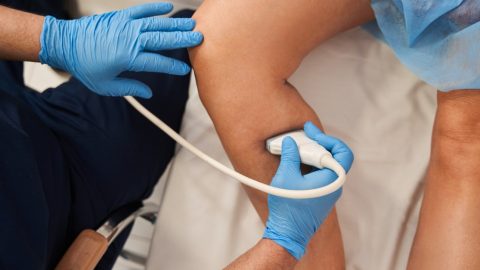
If mesenteric disease is suspected, there are several methods providers can use to diagnose it. Ultrasound or direct imaging of the artery may be used to determine the exact location and extent of the blood flow blockage. Some common diagnostic imaging approaches include:

  • Mesenteric ultrasound
  • CTA (computerized tomographic angiogram) scan
  • Mesenteric angiogram

Treatments

The treatment used for mesenteric disease depends on each patient’s unique condition. Immediate surgery is needed to treat acute mesenteric ischemia. In some cases, chronic mild mesenteric disease may be managed successfully through observation and lifestyle changes such as routine exercise, smoking cessation, and management of contributing factors like high blood pressure and cholesterol.

When treatment is required, a minimally invasive endovascular procedure known as angioplasty and stenting may be used. In this technique, surgeons use stents and balloons to open the arteries, thereby improving blood flow to the intestines. Typically, a catheter with a small balloon is inserted through an artery in the groin area, then guided to the location where the artery has become too narrow. Once the catheter reaches the blocked portion, the balloon is inflated to widen the area. The stent, which features a wire-mesh tube, can be used to reinforce the artery, if needed.

As leaders in treating venous conditions, Vascular Surgical Associates offers cutting-edge treatments to facilitate the best possible outcomes for mesenteric disease. To schedule a consultation, call (770) 423-0595 or contact us online.

Diabetic ulcers are open sores which commonly develop on the feet. Anyone who has diabetes can develop an ulcer, which forms as a result of combined factors such as decreased circulation and limited sensation. Vascular diseases can further complicate ulcers by impeding healing abilities and increasing the risk for infection. 

Fortunately, serious ulcer complications, such as the need for amputations, can often be avoided with the right care. Here’s a closer look into how diabetic ulcers can be managed effectively.

Treatment Approaches for Diabetic Ulcers

First and foremost, the goal for treating any diabetic foot ulcer is to heal the wound as quickly as possible. There are several strategies to facilitate this:

Infection Prevention

Preventing infection is critical to reducing the risk of complications from diabetic ulcers. Controlling blood glucose is one important step, as elevated levels can impede healing. You should also clean the wound and change the bandage or dressing daily, and avoid going barefoot, even around the house.

Offloading

Offloading is the process of reducing pressure put on the ulcer to accelerate healing. Healthcare providers may recommend braces, casts, special shoes, wheelchairs, or crutches to aid in pressure reduction. Sometimes, compression therapy, such as the use of compression stockings or bandages, may also be recommended.

Debridement

In some cases, a provider may need to perform debridement to remove dead skin and tissue around the ulcer. In this minor surgery, the wound is cleaned and disinfected, and all dead tissue is removed until only viable tissue remains. “The resulting sore will be bigger and deeper than the original ulcer,” acknowledges Vicky Bryan, “but should be more likely to heal.”

Wound Dressings & MedicatioN

There are several types of dressings that can be used for ulcers. Contrary to the belief that exposing a wound to air facilitates healing, we now know that keeping an ulcer covered and moist actually promotes faster recovery and reduces the risk of infection.

This is why it’s important to follow wound care recommendations precisely. For instance, your provider may recommend wet-to-dry dressings, which absorb wound material as they dry and remove dead tissue when taken off. Some dressings also contain medicine, such as hydrogel or hydrocolloid dressings. Your wound care specialist will provide instructions on how often to change the dressing and what type to use.

Special Treatment for Larger Diabetic Ulcers

Many diabetic ulcers can be treated through minimally invasive approaches. In some cases, more significant treatment may be needed. Several surgical techniques can promote healing, such as vacuum-assisted closure and skin grafts for larger wounds that are unable to close on their own.

Can Diabetic Ulcers Be Prevented?

The best way to tend to diabetic ulcers is to prevent them from happening in the first place. “Wearing shoes that fit properly, controlling your blood sugar, keeping your feet clean, and inspecting your feet for any changes can help to reduce your risk,” advises Vicky Bryan.  Even seemingly minor issues, such as cracks, blisters, redness, and cuts could develop into an ulcer if left unaddressed. Any foot problem that doesn’t heal on its own within several days should therefore be assessed by a healthcare professional.

To thoroughly treat diabetic ulcers, it’s always best to work with a vascular surgeon. Our team has specialized expertise in wound treatment, including preventing infections and other complications. To schedule an appointment with our wound care experts, connect with us online or call (770) 423-0595.

Your diet affects virtually every aspect of your health, and your arteries and veins are no exception. Because the circulatory system plays a critical role in keeping us healthy — and circulation issues can have serious implications on our wellness — it’s important to follow a healthy diet. Here’s more of what you should know about vascular health and nutrition.

Read More

We are proud to announce that Vascular Surgical Associates was listed as one of Georgia’s leading regional vein care practices by the Georgia Business Journal.

“It is an honor to appear on the Best of Georgia Regional Winners list,” Dr. Arun Chervu, partner at Vascular Surgical Associates, says. “This award reflects our team’s commitment to providing premium vascular care to all. We are incredibly grateful for our community and will continue to value their feedback. Without them, we wouldn’t be where we are today.”

Georgia Business Journal’s Best of Georgia list names winners in more than 20 business categories and community sectors, including Arts & Entertainment, Beauty & Spa, College & Specialized Training, and many others. The publication uses Better Business Bureau complaint reports and voting pattern analysis reports to approve readers’ nominations for Best of Georgia, Regional, and Honorable Mention winners.

We would like to thank our patients for supporting and voting for us. We would not have been able to accomplish this without you!

To make an appointment with a Vascular Surgical Associates physician, call 770-423-0595. Learn more about which communities we serve on our locations page.

Put your feet up: It’s advice we’re often given after a long day. But is this practice actually good for your health — in particular, your circulation? Let’s take a closer look.

Read More

February is all about hearts, from the pink and red decorative ones to the spotlight we put on your anatomical version for American Heart Month. 

As you think of heart health this month and beyond, extend your focus to your veins, which also play a major role in keeping your heart healthy. Here are a few simple, effective ways you can give some love to your veins.

Keep moving

Exercise boosts circulation, which can help to reduce the risk of blood clots or the development of varicose veins. But did you know certain high-impact exercises can actually increase blood pressure in the legs, which could contribute to varicose veins? The best exercises for vein health include walking, swimming, cycling, and yoga.

Extended periods of sitting or standing can have a negative impact on your veins, so keep blood circulating by getting up to move regularly. If you’re on your feet throughout the day, be sure to provide your veins relief by taking regular sitting breaks, too.

Stay hydrated

When you become dehydrated, the blood retains more sodium. This thickens your blood, making it more sluggish, and therefore more difficult for it to circulate throughout your veins. Help blood travel through your body with ease by staying hydrated. Most women should have 2.7 liters of water or water-containing foods each day, while men may need up to 3.7 liters. 

Avoid smoking

Here’s yet another reason to quit smoking: the nicotine found in cigarettes constricts blood vessels. Naturally, narrower blood vessels make it more difficult for blood to flow freely. It should therefore come as no surprise that smoking leads to a hypercoagulable state, or a condition in which blood is more likely to form clots. The effects of smoking can be dangerous to your vein health (and the rest of your body) even in low doses, so make a plan to quit.

Limit Saturated Fats

Nutritional choices that promote vein health align with many common sense practices for eating well. For example, you’ll want to limit foods high in saturated fats, which contribute to clogged arteries. These include red meat, eggs, and full fat dairy products.

Get Plenty of Fiber

Eating a fiber-rich diet could also benefit your veins. Good sources of fiber include whole grains, cooked vegetables, fruit, oatmeal, nuts, and leafy greens. “Fiber helps to keep the digestive system functioning well and also helps keep you at a healthy weight,” says Dr. Shariq Sayeed, “which relieves the pressure on your veins created by being too heavy.”

Use Compression

Compression stockings put pressure on the legs to help encourage blood flow back upwards. They’ve been shown to control leg swelling and discomfort and may even help to reduce the appearance of varicose veins.

Get Checked by a Doctor

If you have bulging veins, there’s a chance there may be a medical issue that needs to be addressed. Varicose veins aren’t always a health risk, but they could increase the risk of a blood clot. For this reason, it’s a good idea to have your veins checked by a specialist if you suspect any issues.

For exceptional vein care in the metro Atlanta area, turn to Vascular Surgical Associates. See our full list of locations online or call 770-423-0595 to schedule an appointment.

Vascular imaging allows doctors to use advanced technology for diagnosing and assessing conditions of your blood vessels. In some cases, medical imaging may also assist in minimally invasive procedures, equipping providers to perform procedures with less risk, reduced pain, and shorter recovery times, compared to traditional surgery.

There are many important applications for imaging in vascular care. Here’s a look into just a few of the most common ways vascular imaging is utilized.

Duplex Ultrasound Technology

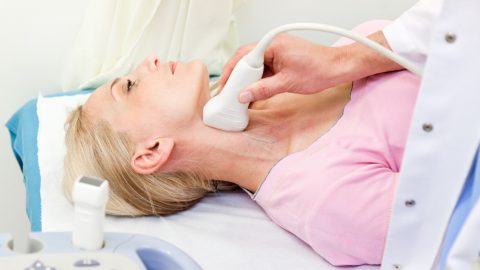
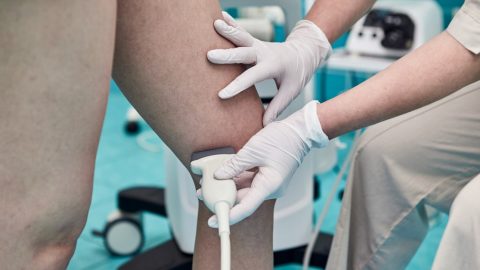
A duplex ultrasound combines a traditional ultrasound — which targets sound waves to bounce from blood vessels then captures images — with Doppler ultrasound, which records sound waves to measure blood flow. This imaging can be used in the extremities to look for the presence of either deep or superficial venous thrombosis, as well as varicose veins and venous reflux disease. Duplex ultrasounds can also be used to assess blood vessels in the neck (including the carotid artery), as well as the abdomen.

In some cases, venous specialists may also use traditional ultrasounds to perform vein mapping, which creates a “roadmap” of your veins to guide medical procedures.

Computed Tomography Angiography (CTA)

Computed tomography angiography (CTA) blends traditional CT scans, which are a type of X ray that creates cross-sectional images using a computer, with a specially-formulated dye in order to create pictures of blood vessels. Also known as contrast material, the dye is injected through an intravenous line. This liquid material allows blood vessels to be seen with ease during the imaging.

CTA is widely used in vascular care to look for a range of conditions. For example, it may help identify an aneurysm, or give a clear view of vessels affected by atherosclerosis, which is narrowing caused by fatty deposits in the artery walls. Doctors may also use CTA to determine if your blood vessels have been damaged by an injury, or to look for blood clots that originally formed in your leg but may have traveled into your lungs.

Magnetic Resonance Angiogram (MRA)

A magnetic resonance angiogram (MRA) utilizes magnetic resonance imaging, or MRI. Whereas traditional angiography involves the placement of a catheter, MRA is far less invasive. This technology uses magnetic fields and radio waves to capture images of the blood vessels, as well as a contrast dye. 

“An MRA is very helpful in many cases,” explains Dr. Lalani, “including investigating for an aneurysm, signs of a stroke, atherosclerosis, heart disease, aortic coarctation, or aortic dissection.” 

Which Imaging Test Will You Receive?

Doctors base their decisions for which imaging type to use on a number of factors, including the patient’s symptoms and health history. For example, the dye in MRA testing involves gadolinium-based contrast, which is less likely to cause an allergic reaction in patients who may experience an issue with the iodine-based contrast used in CTA. But if your doctor needs a closer look at calcium deposits in the blood vessels, a CTA may be necessary, as MRA cannot detect those.

Whichever imaging test you may require, at Vascular Surgical Associates, our accredited vascular lab has advanced imaging technology, along with highly trained staff to diagnose and assess venous conditions with precision. Request a consultation with us through our website, or call (770) 423-0595.

Cosmetic veins can occur in many places, most often on the legs and areas of the face. Though medically harmless in most cases, some patients become self-conscious about their appearance as a result. 

The good news is that wherever you’re experiencing cosmetic vein issues, they can usually be removed.

Types of Cosmetic Veins

Varicose and spider veins are the two main types of visible leg veins that can cause discomfort and embarrassment. Both are considered damaged veins, but they’re not always harmful. In some cases, having varicose veins could increase your risk of developing blood clots or other complications, but often they are largely cosmetic issues.

Both vein issues are most likely to develop in the lower limbs, because the veins there have to work the hardest against gravity and transport the blood the greatest distance to get to the heart.

“Several different factors can play a role in the development of varicose and spider veins,” asserts Dr. Lagergren, “including genetics, long periods of standing or sitting, obesity, and hormone changes.”

Visible veins in the nose, chin, and cheeks are another type of cosmetic vein issue some wish to have repaired. Excessive sun exposure or alcohol consumption, rosacea, pregnancy and injury are a few factors that may contribute to their appearance, but like varicose and spider veins, genetics and other factors can also play a role. 

How Are Cosmetic Veins Treated?

Vein issues should always be treated if they’re causing pain while walking or standing, hemorrhaging, or forming blood clots or ulcers. But pursuing treatment for cosmetic reasons could also still enhance your quality of life by making you feel more confident.

In some cases, lifestyle changes may help to control the appearance of mild spider or varicose veins.

For example, you could try wearing compression stockings, losing weight if needed, avoiding long periods of sitting or standing, and exercising regularly.

Some studies have also shown that the topical application of apple cider vinegar can decrease symptoms for those looking for an easy home treatment. 

For veins that persist despite lifestyle changes or are more severe in appearance, there are several other treatment options available.

  • Sclerotherapy: In this noninvasive treatment, a thin needle injects a solution into the veins to slowly reduce their appearance over a period of several weeks.
  • Cosmetic Laser: If you have small spider veins that are too narrow to be injected with a needle, this therapy can still reduce their appearance by directing a laser light at the vein. This can destroy the vein, causing it to disappear, without affecting your skin, and is particularly useful for facial veins.
  • Endovenous Laser Therapy: In this ultrasound-guided procedure, laser energy is targeted to the affected vein to close it. The process is minimally invasive and takes 20 to 30 minutes.
  • Radiofrequency Closure: This treatment is similar to endovenous laser therapy, but it uses radiofrequency energy delivered via catheter to seal the vein. It, too, takes 20 to 30 minutes and is minimally invasive.

Rarely, surgery may be needed to remove problem veins. In this treatment, small incisions are made to remove the affected veins.

Whether your varicose or spider veins are a physical or cosmetic issue (or both), we can eliminate them. Talk to one of our specialists about the best option for addressing your cosmetic vein issues. Learn more about our locations and services online, or schedule an appointment by calling (770) 423-0595.  

Many people set New Year’s resolutions related to weight loss, exercise, and eating well, but if you’re looking for a health-related goal that can still deliver major wellness perks, consider your vein health.

Your veins play one of the most important roles in keeping you alive by carrying blood to the heart. In fact, 75% of the blood in your body is located within this intricate vascular network. Keeping your veins healthy is therefore an excellent way to boost your overall wellness. Moreover, many of the steps you can take to strengthen your veins also overlap with other common health resolutions. Here are a few ways you can improve your vein health through the new year and beyond.

1. Don’t Smoke

We’ve long known about the harmful effects of smoking, but research has confirmed that there’s a significant association between tobacco and venous insufficiency. In this condition, valves in the veins don’t work properly, and as a result blood collects in your legs. Left unaddressed, it can lead to varicose veins, ulcers, and swelling.

Smoking cessation is a powerful way to improve both your vein health and your overall wellness. Quitting certainly isn’t easy, but your doctor may be able to help with resources, and if needed, prescription medication. 

2. Keep Moving

Regular exercise keeps your veins healthy by increasing blood flow. Most adults need 150 minutes of moderate physical activity each week. Beyond this, small amounts of movement throughout the day, such as taking a break to do a few jumping jacks or hold a few yoga poses, are just as important as routine sweat sessions. Whatever you do, avoid long periods of sitting or standing, which can allow blood to pool in the legs.

3. Watch Your Diet

When it comes to vein health, there are foods that help and some that harm. Foods that are high in sodium can increase blood pressure, putting excess strain on vascular walls. “Most people have too much sodium in their diet,” says Dr. Jacobson, “the majority of which comes in the form of processed foods.” When possible, limit ready-made meals and snacks, and prepare your own foods with wholesome ingredients, like fruits, vegetables, and lean protein.

Nutrients like capsaicin and omega-3 fatty acids have been shown to increase circulation by acting as vasodilators, meaning they open up blood vessels to enhance blood flow. Other nutrients have anti-inflammatory effects that could also help keep veins healthy, such as curcumin, garlic, L-arginine, and vitamin B3. If you don’t get these nutrients regularly from your diet, consider asking your doctor about starting supplements.

4. Stay Hydrated

When you’re dehydrated, your blood becomes more sluggish, making it more likely to collect in your veins. Drinking plenty of water is a simple fix. Men should aim to get 3.7 liters of fluid a day, while women should have 2.7 liters. Keep in mind that you can also get fluid from fruits and vegetables. Avoiding excessive alcohol consumption will also ensure your body is amply hydrated. 

5. Use Compression 

Compression socks or stockings are made of specialized material that adds pressure at the legs and ankles, helping to drive blood upwards to improve circulation. If you have an existing venous condition or are at an elevated risk for developing one, your doctor may recommend wearing compression socks throughout the day. Just be sure to get guidance on when to wear them and which style is best for you. 

If you have veins that cause you discomfort or health concerns, lifestyle changes may not be enough to address the entire matter. Make it your New Year’s resolution to have your veins treated with our specialists at one of our nine convenient locations. Call us for an appointment at (770) 423-0595

Diabetes and vascular issues often seem to go hand in hand. Yet, while diabetes can certainly contribute to circulatory problems, the relationship between these two medical issues is nuanced. Here’s a closer look at how diabetes affects the health of your veins and arteries.

How Does Diabetes Affect the Vascular System?

Diabetes can exacerbate varicose veins and other vascular insufficiencies, though it doesn’t actually cause these conditions. Despite not being causally related, however, these conditions do share risk factors and could become more dangerous when in combination together. 

Specifically, diabetes can affect blood flow. In type 2 diabetes, the body cannot process glucose (sugar) properly, so glucose accumulates in the blood. High blood glucose levels can allow fatty deposits to develop in the blood vessels, which can cause hardening and narrowing that restricts blood circulation. This is also seen in peripheral artery disease (PAD).

Several of the risk factors for PAD and type 2 diabetes are the same. These include being overweight or obese, being physically inactive, and being middle-aged or older. While having one of these conditions doesn’t necessarily mean you’ll develop the other, there is a chance they could coincide.

If diabetes progresses without proper blood sugar control, blood flow could diminish, resulting in nerve damage. Conditions like PAD and varicose veins can also negatively affect circulation in the legs and feet. It’s therefore important to address both diabetes and vascular issues, as allowing these conditions to go uncontrolled increases the risk of complications like swelling and infection.

The legs and feet are common sites for issues of diabetes-related circulatory problems, mainly because they’re furthest from the heart and circulation tends to be poorest in these areas. 

But there are other harmful circulatory complications that can result from uncontrolled diabetes, as well. For example, diabetic neuropathy, or nerve damage, tends to start in the lower extremities, but can also travel to your hands and arms. Diabetes can also cause the tiny blood vessels in the eyes to become damaged in a condition known as diabetic retinopathy, impacting your vision. Finally, it can also affect blood vessels in your kidneys, preventing them from working properly.

How Can You Promote Vascular Health with Diabetes?

Fortunately, there are ways to promote circulatory health even if you’ve been diagnosed with diabetes. “Regular exercise stimulates blood flow,” recommends Dr. Jones, “and is one of the best ways to improve circulation.” If you’ve been sedentary for some time, your diabetes care team can work with you to develop a walking plan with proper footwear to prevent any issues with your feet.

In addition, smoking cessation is strongly encouraged for people with diabetes and/or circulatory conditions. Smoking restricts blood flow, which only exacerbates problems for people who already have circulatory issues.

Of course, you should also be following your diabetes self-care plan, which encompasses all the steps you take to manage your diabetes. This may include blood sugar monitoring, follow-up visits with your provider, lifestyle changes, and medications such as insulin.

In addition to these tactics, you can address circulatory issues and prevent possible complications by pursuing any necessary vascular treatments. If you have diabetes and are worried that you might have PAD, or another vascular-related issue, schedule a consultation by calling (770) 423-0595 or connect with us online