Having high blood pressure, or hypertension, can be serious, putting you at a greater risk for complications such as stroke and heart attack. Controlling your blood pressure is therefore important no matter the time of year. 

But since cold weather can constrict your veins and arteries, it’s especially important to take steps to control it now, when holiday stress and family gatherings also increase. Here are a few ways you can keep your blood pressure – and stress levels – low through the coming season.

Watch Your Sodium Intake

Medical experts agree that high sodium consumption can raise blood pressure. Dietary guidelines call for a maximum of 2,300 milligrams of sodium per day, but an estimated 90% of Americans exceed that amount.

From ham to mashed potatoes, it’s likely that your favorite holiday dishes are unfortunately a little too heavy on the salt. While you don’t have to skip these special meals altogether, be mindful of your sodium intake. Eat a low-sodium, protein rich meal earlier in the day, such as scrambled eggs. This will help fill you up so you can feel satisfied even with smaller salty portions later.

Limit Alcohol

Having more than three drinks in one sitting raises blood pressure. For this reason, you’ll want to limit your holiday cocktails. After one, consider switching to sparkling water with a festive garnish. This will also help you stay hydrated, which is important since dehydration has been linked to high blood pressure.

Monitor Your Medicines

If you’ve been prescribed medication to control your blood pressure, continue taking it as directed. Since the holidays can get busy, consider using an app, alarm, or reminder on your phone to stay on top of your doses.

At the same time, be mindful of potential side effects of any over-the-counter medications you may require. “If you’re feeling congested, for example,” Dr. Sayeed advises, “consult with your provider about safe symptom relief, as many flu and cold medicines have ingredients that can increase blood pressure. Be specifically sure to steer clear of oxymetazoline, phenylephrine, and pseudoephedrine if you have high blood pressure.”

Find Healthy Stress Outlets

Stress releases the hormone cortisol, which also constricts blood vessels. While this is a natural, fight-or-flight response that helped humans react to threats in the wild, today, we’re more likely to experience extended periods of stress from factors that don’t actually endanger us. On a persistent basis, this can elevate blood pressure.

From family parties to last-minute shopping, there are many stressors that can affect us through the holiday season. Fortunately, there are healthy ways to prevent or cope with that stress. Whenever possible, try to say no to unnecessary events or commitments that lengthen your to-do list. But do take time to practice stress management, such as brisk walks outside, a warm bath, or meditation.

In addition to controlling your blood pressure, stay healthy this coming season with any vein treatments you may need. Schedule a consultation at one of our nine convenient locations by calling (770) 423-0595

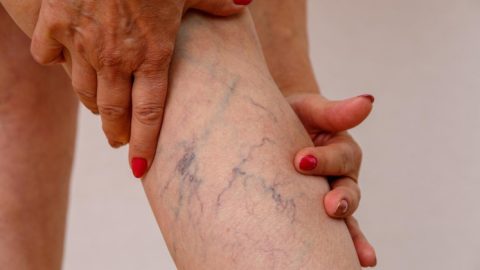
If you have varicose veins or other circulation issues, you may have guessed that temperature changes can impact your vein health. For example, while summertime heat and humidity won’t cause varicose veins, you may experience increased discomfort, throbbing, and heaviness on hot days if you have them. That’s because our veins increase in size during the warmer weather in a phenomenon known as venodilation, which helps to regulate blood flow and keep the body cool. 

The good news is that as the weather cools, you’ll likely begin to feel some relief from these symptoms. Colder weather can allow your blood vessels to shrink back down, which may alleviate pressure in the calves and ankles. But there are other winter-related factors that can affect your vein health, too. Here’s a closer look at what to expect.

Cold Weather & Your Veins

After closely studying cardiovascular diseases, experts have determined that issues like deep vein thrombosis are more likely to occur in the winter. It’s believed that this increased risk stems from several factors, including changes in temperature, reduced physical activity, and cold weather food habits.

While the cooler weather may bring relief from symptoms of varicose veins, significant drops in temperature can constrict the veins and arteries. For people who already experience circulation issues, this extra strain could put added pressure on the heart, potentially leading to cardiovascular issues. 

Additionally, blood becomes thicker as the weather gets colder, which can increase the risk of clotting and the conditions that can come with it, such as heart attack and stroke.

Diet and Exercise Changes

Outside of temperature-related factors, many people experience lifestyle changes along with shifts in the weather. For example, you may find yourself becoming less active as the temperatures cool and days grow shorter. We know that physical inactivity can increase the risk of blood clot formation, so finding ways to stay active even when it’s frigid outside is important.

If it feels too chilly to take walks, ride your bike, or even do outside yardwork, consider hitting the gym or trying at-home workouts. Additionally, avoid sitting for long stretches of time, and get up and move at least once an hour.

Dietary factors can also influence vein health throughout the winter months. During the holidays, we’re more likely to indulge in dishes that are often high in sodium, which can increase blood pressure, putting added strain on veins. Too much alcohol — commonly shared around the holidays — can also spike blood pressure. Finally, weight gain can put more stress on varicose veins, causing valves to grow weaker and excess blood to pool in the legs, intensifying symptoms like heaviness. 

With these factors in mind, it’s certainly possible to enjoy the relief of cooler weather without compromising vein health. In addition to staying active, take a mindful approach to eating, and stay on track with any special dietary guidelines your doctor has advised. If you do choose to drink, do so in moderation. If your doctor has prescribed any other measures to keep your veins healthy, such as wearing compression socks, be sure to carry them over into the cooler season.

If you’re searching for experts to help you maintain your vein health year-round, turn to Vascular Surgical Associates. Our vein specialists treat a wide range of conditions, including peripheral artery disease and venous disease including varicose veins. To schedule an appointment, call (770) 423-0595, or connect with us online.

An arterial duplex exam is a type of ultrasound imaging used to see how blood moves through your veins and arteries. Like other types of ultrasound imaging, an arterial duplex ultrasound uses sound waves that bounce off the body’s internal structures or moving parts, such as blood, to create pictures.

There are several types of duplex ultrasounds. An arterial and venous duplex ultrasound can look at blood flow and blood vessels in the abdomen, but there are also arterial duplex ultrasounds of the extremities, including the legs and arms. Duplex ultrasounds are also available to specifically examine your kidneys and carotid arteries.

In many cases, arterial duplex ultrasounds are prescribed if your doctor thinks an artery may be narrowed or blocked. For example, the exam is commonly used to detect peripheral artery disease (PAD), a condition in which the blood vessels in the legs or lower extremities become narrowed or blocked, thereby affecting blood flow from the heart. 

What Does an Arterial Duplex Exam Entail?

Typically, there’s no advance preparation involved. You may be asked to change into a medical gown so that the ultrasound technician can access your arms and legs easily. You’ll then be directed to lie on an exam table, and the sonographer will apply ultrasound gel to the area being examined. This cool, smooth substance helps sound waves pass through tissue, and will wipe off easily once the exam is finished.

During the exam, the sonographer will move a wand known as a transducer over the area being examined. This device sends the sound waves, which then reflect back from your body and are sent to a computer. The computer processes the sound waves, transforming them into images. You may be asked to lie still, change positions, or hold your breath throughout certain portions of the exam so the technician can capture images from different angles. You shouldn’t feel any discomfort, but there may be minor pressure from the transducer.

Oftentimes, arterial duplex exams of the legs are coupled with an ankle-brachial index (ABI). During this procedure, blood pressure cuffs will be placed on your arms and legs to measure the ABI. This is a ratio of the measurement of your systolic blood pressure at the ankle, compared to blood pressure at the brachial artery, which is located in the upper arm. It is calculated by dividing the blood pressure in the ankle by that in the arm. A value of 0.9 or greater is considered normal, but lower readings could indicate PAD or another issue that may require treatment.

While the test was originally developed to detect PAD, it has since been found that ABI can also be used to indicate atherosclerosis or other cardiovascular concerns. 

If an arterial duplex exam or another type of venous imaging has been recommended for you, turn to Vascular Surgical Associates. In addition to our board-certified vascular surgeons, our team is comprised of experienced ultrasound technicians working in a state-of-the-art vascular lab. Browse through our locations online or schedule an appointment by calling (770) 423-0595. 

Staying seated for long periods of time while traveling can be uncomfortable for everyone, but if you have varicose veins, it could also involve some big health risks. 

“In general, having varicose veins is associated with an increased risk of a potentially serious type of blood clot known as deep venous thrombosis (DVT),” explains Vascular Surgical Associates physician Dr. Jeffery Winter. But the long periods of immobility required for traveling can increase your risk of DVT even more. “This means,” he concludes, “that people with varicose veins who travel must take extra precautions to lower their risk.” 

Fortunately, DVT is highly preventable when you follow these guidelines.

Safe Travel Tips for People with Varicose Veins

1. Get Up & Move

Moving often is important to preventing blood stasis, which can lead to clotting. If you’re traveling by plane, the CDC advises getting up and walking about the cabin every two to three hours. You’ll want to do the same if you’re traveling by car, so be sure to stop somewhere safe, such as a rest area.

It’s also beneficial to continue moving, even while you’re seated. Every so often, keep your leg muscles active by doing some simple movements. For example: raising and lowering your heels  several times while keeping your toes on the floor, then doing the same for the front of your foot by lifting your toes while keeping your heels grounded. Tightening and relaxing your leg muscles several times, or twirling your ankles while holding your feet off the ground can also help.

Since it’s important to avoid being completely immobile for a long period of time, consider the length of your flight — and how much you might want to sleep during it. Sleeping in an upright position on a plane, or as a passenger in the car, isn’t the same as sleeping in bed. This is because sitting with bent knees creates pressure on the popliteal vein, and increases your risk of DVT. Avoid taking sleeping pills when you travel, and either stay awake for the duration or take shorter naps that will still allow for movement breaks.

2. Wear Compression Socks

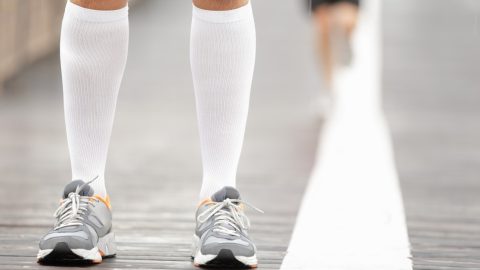
Compression socks or stockings are tight-fitting garments that add pressure to the legs and ankles. Combined with keeping your legs moving regularly, the compression provided can help circulate your blood and prevent clotting. Since there are many styles and compression levels available, it’s a good idea to talk to your doctor about the best pair for you.

3. Stay Hydrated

Dehydration can increase your risk for clotting at any time, because it causes the blood to become concentrated and sluggish. When traveling in an airplane, low levels of both oxygen and humidity can increase your dehydration even more. The effect is worse when you add alcohol to the mix, so save the cocktails for when you land and instead choose water to replenish moisture. (Better yet, pack an empty water bottle in your carry-on and fill it up at the gate before you board.) If you’re driving, be sure to pack plenty of water for the trip.

Wherever you’re headed, our award-winning specialists are here to support your vein health. Vascular Surgical Associates offers a range of surgical and non-surgical treatments, as well as a state-of-the-art vascular lab. To request an appointment, call (770) 423-0595, or connect with us online.

Having high blood pressure can increase your risk for serious health issues, including heart disease, heart attack, and stroke. Also known as hypertension, this condition affects your artery health, too. To avoid these serious conditions, here’s more about how high blood pressure can affect your vascular system.

How High Blood Pressure Impacts Your Arteries

When your arteries are healthy, they’re flexible and elastic. They’re also strong and smooth, allowing blood to flow freely throughout your body to supply your organs with essential nutrients and oxygen. As its name suggests, high blood pressure means the pressure of your blood increases, which puts added strain on the walls of your arteries. This can lead to two major issues in your vascular system:

Damaged, Narrow Arteries

“There’s a domino effect to high blood pressure,” explains Vascular Surgical Associates physician Dr. Jeffery Winter. “Having it over a long period of time can eventually weaken the cells in the lining of your arteries. Fats from the foods you eat — specifically, ‘bad’ LDL cholesterol — can then collect along the damaged areas. Over time, this buildup causes your artery walls to lose their elasticity and potentially become narrower. This narrowing can then restrict blood flow, causing your circulatory system to become less efficient.”

When your circulatory system has to work harder to pump blood throughout the body, it puts added strain on your heart. This extra strain then puts you at a greater risk for potentially deadly events like a heart attack or heart failure.

Aneurysm

Ongoing pressure against weak arteries can cause a section of the artery wall to bulge, forming what’s known as an aneurysm. While an aneurysm can form in any artery, they’re most commonly found in the aorta: the largest artery, which carries oxygenated blood from the heart to the rest of the body. Aortic aneurysms can be thoracic, abdominal, or located in the chest. 

The bigger an aneurysm gets, the greater the risk of bursting becomes. This can lead to life-threatening bleeding. Risk factors for aneurysms include advanced age, high cholesterol, diabetes, smoking, having a family history of the condition, and high blood pressure.

The Importance of Maintaining Healthy Blood Pressure

Oftentimes, high blood pressure has no outward symptoms or warning signs. Many people don’t know they have blood pressure and are at risk for serious health issues. As the American Heart Association explains, “High blood pressure is a largely symptomless ‘silent killer.’ If you ignore your blood pressure because you think a certain symptom or sign will alert you to the problem, you are taking a dangerous chance with your life.”

Testing for high blood pressure involves assessing your systolic (the pressure against arteries when your heart is contracting), and diastolic (the pressure while it rests between beats) blood pressures. Typically, that number is presented as the measurement of your systolic pressure over your diastolic pressure. On average, “normal” blood pressure is considered that of less than 120/80 mmHg.

Fortunately, if tests reveal you have or are creeping toward dangerously high blood pressure, there are steps you can take, including medications and lifestyle modifications. Identifying high blood pressure can also alert your physicians to look for other potential issues, including damage to your vascular system.

If you’re seeking circulatory help from a team of experts, turn to Vascular Surgical Associates. Our physicians specialize in treating aortic aneurysms, among other vascular conditions. To schedule an appointment at one of our nine convenient locations, connect with us online or call (770) 423-0595

Vascular Surgical Associates, a leading vascular care practice, is one of several sponsors of this year’s 9/11 Run to Remember 5K road race taking place 8 a.m. to 10 a.m. Saturday, September 10 in downtown Cartersville, Georgia. Proceeds from the race will support the Georgia Firefighters Burn Foundation and Next Rung charities. Vascular Surgical Associates’ sponsorship illustrates its commitment and interest in supporting the communities the practice serves. 

The race celebrates the valiant efforts made by the first responders on 9/11. The pre-race registration fee is $25, which includes a guaranteed T-shirt, and pre-registration at 11 a.m., September 4. A pre-registration packet pick-up will be held 11 a.m. to 5 p.m. on Friday, September 9 in the lobby of the Cartersville Public Safety Headquarters. Same-day registration takes place 6:45 a.m. to 7:45 a.m., and the fee is $35. Parking will be available during the race at the Bartow County Courthouse located at 135 West Cherokee Ave. 

To register for the 9/11 Run to Remember 5K road race, click here. To learn more about Vascular Surgical Associates, visit vascularsurgical.com/ or to schedule an appointment, call (770) 423-0595.

On August 16, Dr. Michael Corey and Dr. Emily Lagergren from Vascular Surgical Associates partnered with Wellstar Health System for the first thoracic branch endograft procedure in Georgia and the third in the nation. The innovative procedure is an example of the practice’s mission to provide leading-edge treatment.

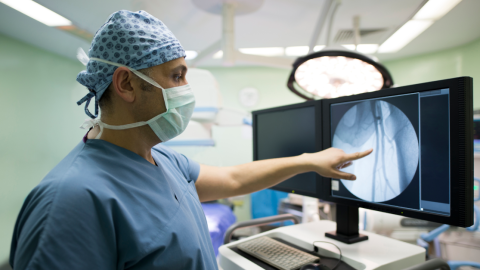
The procedure began with a vascular surgeon inserting a stent graft through the artery in the patient’s groin and guiding it into the aortic arch in the chest using an X-ray. The stent-graft device, offered by WL GORE Medical, is used to repair tears and aneurysms in the aorta using a minimally invasive approach. The branched GORE TAG device is the first and only FDA-approved implantable thoracic branched endoprosthesis offering a fully endovascular, or catheter-based, treatment option for patients with aortic diseases.

The device allows the surgeon to maintain vital blood flow to the brain and arms of the patient throughout the procedure. Patients undergoing the branched GORE TAG stent graft are often discharged from the hospital the day following the operation. The first of its kind, the thoracic branch endograft offers a minimally invasive approach to aortic problems. It represents a new and better way of treating diseases of the aorta.

To make an appointment with a Vascular Surgical Associates physician, call 770-423-0595 or find location specific information here.

Venous ultrasounds are used to search for and diagnose certain conditions, including deep venous thrombosis, or blood clots. This imaging can also be used to assess the venous system for the presence of varicose veins and venous reflux disease. 

Ultrasound technology uses sound waves to create images of the veins and is fairly quick and non-invasive. If you’ve been scheduled for a venous ultrasound at our facility, here’s what to expect from your appointment.

How Is a Venous Ultrasound Performed?

As with other types of ultrasounds, you’ll start by lying on an examination table that can be moved as needed. The technologist may have you stand depending on the assessment needed. From there a clear gel will be applied to the area of examination. The gel is a conductive medium that helps form a bond between your skin and the ultrasound transducer. It helps to eliminate pockets of air, thereby allowing soundwaves from the transducer to pass into the body. Although it has a sticky consistency, it wipes off easily without leaving a residue behind.

During the exam, the technologist will move the transducer over areas of interest to capture images. They may use different angles or ask you to move into different positions to access different areas of the venous system. Typically, venous ultrasounds take 30 to 45 minutes, but may go longer depending on the exam’s complexity.

How Should You Prepare for a Venous Ultrasound?

Preparation for an ultrasound depends on the area being examined. If you’re having veins in the abdominal region examined, you may be asked to modify your food or water intake leading up to the appointment. Otherwise, venous ultrasounds typically require no preparation before the appointment. Prior to the exam, you may be asked to change into a gown and to remove any jewelry or clothing in the area being examined.

What Can You Expect During & After a Venous Ultrasound?

While the ultrasound technologist moves the transducer over your skin, you may feel some mild pressure. Typically, there’s no discomfort involved, but you may feel minor pain if they’re taking images over a particularly tender area. If a Doppler ultrasound exam is also being performed, there may also be various sounds that change with your blood flow.

While regular ultrasounds can produce images of the venous systems, they can’t show blood flow. But Doppler ultrasounds bounce high-frequency sound waves off red blood cells as they circulate to show how blood is moving. This can be helpful for diagnosing blocked or bulging arteries, decreased circulation, poorly functioning valves, and narrowing of arteries.

After your venous ultrasound is complete, you’ll be able to resume your normal routine right away. A radiologist will interpret the results, and one of our providers will discuss findings with you to determine a treatment plan, if needed.

For any known or suspected venous conditions, turn to Vascular Surgical Associates for the highest level of care and treatment. Our accredited lab features advanced venous imaging technology, and our highly trained staff will help you feel at ease during your exam. Find out more about our venous imaging or schedule an appointment by calling (770) 423-0595.

An aortic aneurysm occurs when a balloon-like bulge develops in the wall of the aorta: the main artery that carries oxygen-rich blood away from the heart. This artery has thick walls that can withstand normal blood pressure. Under certain conditions, such as medical issues, genetic factors, or trauma, the walls may become weak or damaged, making them susceptible to aneurysm.

Aortic aneurysms call for prompt medical attention. Should they become too large, they can burst, becoming life-threatening.

What Are the Types of Aortic Aneurysm?

There are two types of aneurysms that can develop in the aorta: abdominal aortic aneurysm (AAA) and thoracic aortic aneurysm (TAA). An abdominal aortic aneurysm is more common and develops in the stomach region. Thoracic aortic aneurysms develop in the part of the aorta that runs in the chest.

Although the causes of an aortic aneurysm are often unknown, factors such as atherosclerosis (narrowing of the arteries), injury, and infection can play a role in their development. Certain inherited conditions affecting connective tissue, such as Ehlers-Danlos syndrome and Marfan syndrome, may also cause an aortic aneurysm.

In addition to these direct causes, certain populations are more likely to develop them. People who smoke, are over the age of 65, have a family history of aortic aneurysms, or have high blood pressure may have a greater risk.

What Are the Signs of An Aortic Aneurysm?

In many cases, people with an aortic aneurysm don’t know they have it. Symptoms often don’t develop until the aneurysm bursts, at which point it’s considered a medical emergency requiring immediate care. As the aneurysm grows, however, certain symptoms may develop, such as shortness of breath, coughing, difficulty breathing or swallowing, and chest or back pain.

When an aortic aneurysm ruptures, the following symptoms may occur:

  • Sharp, sudden pain in the chest, upper back, neck, or arms
  • Difficulty breathing
  • Loss of consciousness
  • Low blood pressure
  • Difficulty swallowing

If these symptoms develop suddenly, it’s important to call 911 immediately.

In many cases, aortic aneurysms are detected during tests conducted for other reasons. With that in mind, screening is available for early detection, which is often recommended for people between the ages of 65 and 75 who have a family history or have smoked.

How Is an Aortic Aneurysm Treated?

The treatment for an aortic aneurysm depends on the stage at which it’s detected. If it’s found before it’s grown too large, medication to lower blood pressure may be used to reduce the risk of a rupture. 

If a larger aortic aneurysm has been detected, surgery may be recommended for removal. There are several surgical approaches used, including abdominal aortic aneurysm (AAA) open repair, open-chest surgery, and the less-invasive endovascular surgery approach. The surgical approach will depend on the patient’s health and any preexisting conditions, as well as the location of the aneurysm. 

When an aortic aneurysm ruptures, it requires emergency open-chest surgery. For this reason, identifying and treating aortic aneurysms with preventive surgery or lifelong monitoring are the safest approaches.

Vascular Surgical Associates provides the highest quality vascular care and treatment available. If you’ve been diagnosed with an aortic aneurysm, we can discuss treatment options and help you make an informed decision. Find out more about how we help patients navigate this condition or schedule an appointment by calling (770) 423-0595.

The circulatory system is essential to the body, transporting vital oxygen to every part. But as we age, certain changes may take place within the circulatory system that obstruct its smooth function. 

Fortunately, it’s possible to offset many of these changes with healthy habits. Discover the importance of circulation health and how you can maintain it below.

Why Is Good Circulation Important?

Our very existence depends on a healthy circulatory system. Circulation ensures our organs, muscles, and tissues all receive the blood and oxygen they need to keep working well, and therefore keep us alive. A healthy circulatory system also helps the body remove waste products, including carbon dioxide and chemical byproducts naturally created by your organs.

The circulatory system comprises three independent circuits that work together:

  • Pulmonary circuit: This circuit transports blood from the heart to the lungs to receive oxygen; pulmonary veins then transport oxygenated blood back to the heart, where it can be sent to the rest of the body. 
  • Systemic circuit: Blood with oxygen, nutrients, and hormones travel from the heart throughout other parts of the body in this circuit. The blood also picks up waste products in the veins as the body uses up nutrients.
  • Coronary circuit: This circuit provides the heart with oxygenated blood, then returns blood that needs more oxygen back to the right atrium, or upper chamber, of the heart to restart the process.

The body relies on proper circulation for optimal functioning. When you experience poor circulation, a number of health issues can ensue. While poor circulation isn’t a condition in itself, it can be caused by other issues, such as diabetes, arterial issues, and heart conditions.

How Can You Maintain Circulation Health?

There are several things you can do to support circulatory health. Here are a few simple yet effective ways to start.

Be physically active.

Aim to get at least 150 minutes of physical activity in each week. This doesn’t have to include high-intensity exercise: walking, gardening, and dancing are some activities to consider. Try to avoid long periods of sitting, which can slow circulation and cause blood to pool in the feet and legs.

Quit smoking.

The chemicals in cigarettes and other tobacco products can lead to atherosclerosis, or the buildup of plaque in the arteries which impedes blood flow. It also increases the risk for peripheral artery disease, another condition that can restrict circulation. Regardless of how long or how much you’ve smoked, quitting can benefit your circulatory health, and these benefits continue to improve over time. 

Eat a heart-healthy diet.

Eating a nutrient-rich diet can help your circulatory system perform its best and help you maintain a healthy weight. The American Heart Association recommends a diet mainly composed of fruits and vegetables, whole grains, lean protein, healthy fats, and minimally processed foods. Limiting added sugars, salt, and alcohol is also advised.

Control chronic conditions.

Certain chronic conditions can affect components of the circulatory system. In diabetes, for example, high blood sugar levels cause fatty deposits to form within the blood vessels, which cause them to narrow and harden, reducing blood flow. High blood pressure can also damage arteries by reducing their elasticity, decreasing blood flow as well. Controlling these and other chronic conditions that affect circulation through medication and lifestyle changes can help to ensure a healthy heart and blood vessels.

As leaders in circulatory health, Vascular Surgical Associates helps patients experiencing conditions that affect their circulation, including peripheral artery disease. Find out how we can help you promote strong circulatory health by connecting with us online, or calling (770) 423-0595 to schedule an appointment.