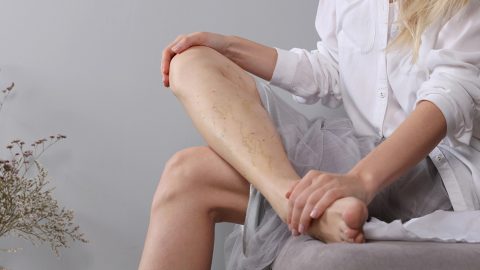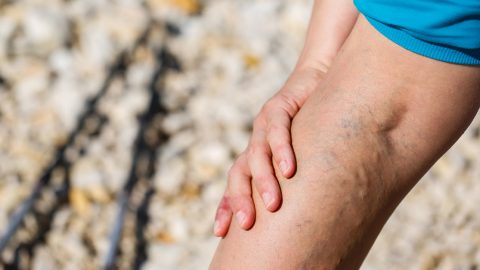
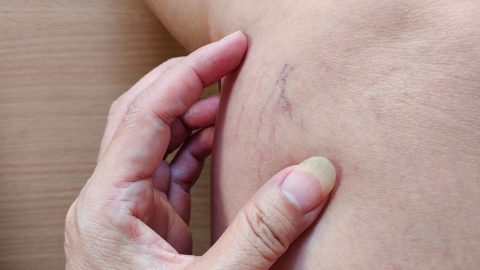
Thanksgiving brings many joys: cooking for loved ones, mingling with family, and indulging in favorite foods. However, for those managing chronic vein issues, like varicose veins, the holiday’s disruptions to routine can pose challenges. By taking a mindful approach, you can keep your vein health on track and still enjoy the festivities.

Tips for Controlling Varicose Veins Through Thanksgiving

Because blood sugar and vein health are closely related, many of the strategies for managing your overall health overlap with managing varicose veins. Here are a few ways you can enjoy Thanksgiving while tending to your vein health.

1. Wear Compression Socks

Standing for long periods—whether preparing Thanksgiving dinner or chatting with family—can worsen symptoms of varicose veins. Gravity adds extra pressure to veins, making them bulge or ache. Compression socks can help alleviate this by gently encouraging blood flow upward from your legs to your heart.

For optimal results, wear compression socks while cooking, serving, or even when relaxing after a meal. Good circulation reduces discomfort, prevents swelling, and helps avoid ulcers and other complications.

2. Keep Salt Intake Low

Thanksgiving menus are often packed with sodium-heavy dishes. While flavorful, too much salt can cause your body to retain water, increasing swelling and discomfort in your legs. Opt for fresh herbs and spices instead of table salt when seasoning your dishes.

Reducing sodium intake also supports healthy blood pressure and fluid balance, which are vital for maintaining proper circulation and preventing vein problems.

3. Elevate Your Feet

After a long day on your feet, take time to elevate your legs above heart level. This simple practice reduces the pressure on your veins, improves blood flow back to your heart, and helps relieve pain and fatigue. Even a few 15-minute sessions throughout the day can make a significant difference in how your legs feel.

4. Stagger Your Starches

Thanksgiving is synonymous with indulgent starches like mashed potatoes, stuffing, and pies. While these dishes are delicious, overindulging in carbohydrates can lead to blood sugar spikes, which may indirectly affect your vein health.

Try filling your plate with:

  • Half non-starchy vegetables: Think green beans, roasted Brussels sprouts, or a fresh salad.
  • A quarter lean protein: Opt for turkey with minimal gravy.
  • A quarter starch: Choose your favorite carb, but enjoy it in moderation.

Save room for dessert by portioning smartly—and savor any leftovers in the days to come.

5. Light Cardio

Lastly, light exercise after a meal can prevent blood from collecting in your legs, helping to reduce the effects of varicose veins. Simple activities like walking around the block to admire holiday lights or playing a quick game of catch with family can keep your blood moving.

Bonus: Light exercise after eating is also a great way to help stabilize blood sugar levels, offering benefits beyond vein health.

Schedule a Varicose Veins Appointment With Vascular Surgical Associates

Whether you’re seeking treatment for varicose veins or looking to manage other vein complications, Vascular Surgical Associates are your partners for top-notch treatment of venous conditions. To schedule an appointment, use our online appointment request form or contact our office by calling 770-423-0595.

If you’ve been dealing with frustrating varicose or spider veins, you may be looking into options for treatment. Depending on your specific condition, you could be a good candidate for sclerotherapy, an innovative treatment that causes veins to shrink. While it can be done any time of year, cooler seasons are ideal for this procedure.

Here’s a closer look at what sclerotherapy entails and why you might want to consider it as cooler weather approaches.

What Are Varicose & Spider Veins?

Both varicose and spider veins are damaged and discolored, but these two conditions have important differences.

  • Varicose veins are often twisted and enlarged, and may appear rope-like.
  • Spider veins are smaller and closer to the skin’s surface.

While varicose veins can be blue, red, or skin-colored, spider veins are often red. Varicose veins typically develop on your legs, whereas spider veins can appear on either your legs or face.

Varicose and spider veins are more common in women and older adults. Risk factors also include pregnancy, obesity, menopause, and long periods of sitting and standing.

No matter their cause, it’s understandable that you might want your spider or varicose veins gone. Many people who have varicose veins experience achiness and other discomfort, while both spider and varicose veins can be a cosmetic concern. In the case of varicose veins, conservative therapies such as elevation, exercise, and compression stockings may be recommended before surgical interventions are pursued. But if you’ve tried other methods and are still experiencing symptoms or are unhappy with the appearance of your veins, now is an ideal time to begin sclerotherapy.

What Is Sclerotherapy?

Sclerotherapy is a process in which a chemical solution is injected into the varicose or spider vein. The solution irritates the vessel and causes it to swell, which eventually results in a shrinkage and collapse of the vessel altogether. Your body then naturally channels blood through other, healthier surrounding veins. Oftentimes, several treatments are needed to collapse the affected veins completely, especially if multiple veins are being treated.

“While sclerotherapy is considered a minimally invasive procedure with temporary discomfort, bruising and discoloration can appear at injection sites,” says Emily Lagergren, MD, RPVI. Furthermore, while spider and small varicose veins may respond to treatment in as little as three weeks, larger veins can take several months to vanish. During the recovery period, you may be encouraged to wear compression stockings to promote healing and to prevent additional varicose veins from forming. It’s also recommended that you avoid sun exposure, as UV rays could increase inflammation and impede healing.

For these reasons, it makes sense to plan sclerotherapy during a time when you’ll be more likely to keep covered with longer layers, or hunker warmly indoors. Fall is the perfect time of year to start, since it’s likely it will still be winter by the time you’ve healed completely. By the time warmer weather returns, you’ll be able to wear shorts and swimsuits with comfort and confidence.

Schedule a Sclerotherapy Consultation With Vascular Surgical Associates 

If you’re considering treatment for your varicose or spider veins, turn to Vascular Surgical Associates. Our doctors excel in spider and varicose vein removal techniques, including sclerotherapy. Schedule a consultation using our online appointment request form or by calling 770-423-0595.

Your circulatory system is a complex network of essential arteries, veins, and lymph vessels. Although this system is strong enough to sustain continuous pressure for many years, its overall performance can be impacted by certain diseases, known as vascular diseases. These conditions may affect a single isolated area, or your entire circulatory system altogether.

In order to protect and care for this intricate network, here we share a list of vascular diseases and the symptoms to watch for.

Common Types of Vascular Diseases

Atherosclerosis

The accumulation of fatty deposits (known as plaque) in your arteries is called atherosclerosis. Over time, this plaque buildup narrows your arteries, impeding blood flow. Atherosclerosis can be serious because it increases your risk of heart attack or stroke.

In many cases, atherosclerosis doesn’t produce symptoms until an artery is almost completely blocked, or until a stroke or heart attack occurs. Symptoms that do occur in these serious events will vary based on the affected artery’s location: 

  • Shortness of breath and unusual heartbeat can occur if coronary arteries are affected.
  • Drooping facial muscles, vision changes, and difficulty speaking can develop when a vein that carries blood to the brain is blocked. 
  • Numbness, leg pain while walking, cold feet, and aching or burning in your toes and feet can occur if arteries in your lower body are affected.

Peripheral Artery Disease

Peripheral artery disease (PAD) occurs when your arteries, usually in your lower extremities, become narrowed or blocked. While atherosclerosis is a common contributor, not all cases of PAD share this cause. Having high blood pressure, high cholesterol, diabetes, or a history of smoking can also lead to PAD.

The primary symptom of PAD is pain in your calf, thigh, hip, or buttocks during walking and other physical activity, which typically subsides when you’re able to rest. Other signs include muscle atrophy, nonhealing ulcers or sores on your legs and feet, and numbness in your feet.

Carotid Artery Disease

Also known as carotid artery stenosis, carotid artery disease occurs when your carotid artery becomes blocked by plaque. This large artery is found on either side of your neck and is responsible for delivering blood to your brain. Carotid artery disease can develop in one or both arteries. In either case, having this condition increases your risk of stroke.

Like some other vascular diseases, carotid artery disease may not present symptoms on its own. Symptoms can occur, however, when pieces of plaque travel to and cut off blood flow to part (or parts) of your brain. Known as a transient ischemic attack (TIA), this temporary blockage often precedes a full-blown stroke and may present similar symptoms. Drooping of one side of your face, slurred speech, loss of vision, and loss of sensation can all point to either TIA or stroke.

Deep Vein Thrombosis

Deep vein thrombosis (DVT) is characterized by a blood clot in one of the major veins of your body. Because clots can dislodge and reach your lungs, where they can obstruct vital blood and oxygen flow, DVT is considered a medical emergency. Symptoms include pain and swelling in your leg, skin that feels warm to the touch in the affected area, and skin color changes near the clot. If the clot travels and reaches your lungs (known as a pulmonary embolism), symptoms may include accelerated pulse and breathing, lightheadedness, chest pain, and shortness of breath.

Schedule an Appointment With Vascular Disease Specialist at Vascular Surgical Associates

Vascular diseases can be serious and always call for specialty care. From venous to arterial conditions, our specialists offer a range of services and will ensure you receive the best possible care. If you are concerned about your vascular health for any reason, schedule an appointment online or by calling 770-423-0595.

When high temperatures and excessive humidity persist, we can expect to feel at least a little uncomfortable, and with good reason. Heat affects many mechanisms in your body, and your vascular system is no exception. 

With record-breaking heat this summer, it’s no surprise we’re seeing summer affecting vein health for many people. Here’s what you should know about warm weather and your veins.

Why Are Veins Worse in Summer Heat?

When the air is hot and humid, your heart has to work harder to dissipate excess heat. One way it does so is through vasodilation, or the widening of your blood vessels to enhance blood flow. By increasing the volume and rate of blood flow (by as much as four times), your body loses heat, thus regulating its temperature.

Although vasodilation has an overall positive effect, it can be uncomfortable — especially if you have preexisting vein issues like varicose veins. As your already-enlarged veins fill with more blood, you may notice your symptoms intensifying: swelling, aching, itching, and other forms of discomfort can increase if you’ve been spending time out in the heat.

And though vein conditions are worse in summer weather, it’s also your entire cardiovascular system that may become strained in the heat. Pumping more blood at a faster rate can stress your heart, which can worsen when you lose sodium and potassium through sweat. 

Heat stress can also occur, in which your body is unable to eliminate excess heat quickly enough as your core temperature rises. Although cooling off quickly can reverse the impact of heat stress, if left unaddressed it could lead to heat stroke, a more serious condition that causes your sweating mechanisms to fail to cool you off, potentially leading to seizures or even death. Risks of heat illness are greatest when the temperature exceeds 70 degrees and humidity is above 70%, especially for people who are over the age of 50, are overweight, or have preexisting heart, lung, or kidney problems.

Ways to Beat Heat Illness and Reduce Vein Swelling in Summer

Fortunately, there are steps you can take to reduce the effects of vein issues in the summer while also preventing heat stress.

Minimize outdoor activities

If possible, keep your outdoor activities concentrated in the early morning hours or evenings, when the temperature is lower.

Stay cool outside

If you have to be outside, cool off by taking frequent breaks in the shade or air conditioning. Use a cooling towel or personal fan to help keep your body temperature down. Wear breathable, lightweight fabrics in light colors.

Hydrate

Not only does excess sweat cause you to lose essential minerals, but it can also make your blood thicker and more difficult for your arteries to circulate. Get plenty of hydration this season by drinking lots of water and eating water-rich foods like watermelon, cantaloupe, cucumbers, and lettuce. 

Cut your salt intake in summer

With summer affecting veins in such pronounced ways, it’s best to limit any added stress on them however you can. One way to do so is to avoid salty foods. Your kidneys work to maintain a balance of salt and water, so they will hang onto extra moisture if you’ve had more salt than usual. This retained water will put more pressure on already-stressed veins, so try to cut your sodium intake when the weather is hot.

Schedule an Appointment With Vascular Surgical Associates 

While these prevention strategies can help you avoid worsening vein issues, ongoing symptoms may persist no matter the weather. If you’re experiencing vein problems, turn to our vein center for help from one of our board-certified vascular surgeons. For appointments, request a visit using our online form or by calling 770-423-0595.

Vein clinics are specialty care centers focused on the diagnosis and treatment of venous (vein) conditions. These clinics are led by vein doctors and specialists who are experts in vein health.

Whether you’re seeking care for a specific vein issue or you’ve been referred to a vein specialist by your general practitioner, here’s everything you need to know about vein clinics.

The Purpose of a Vein Clinic

In short, vein clinics can treat both frustrating cosmetic conditions, such as bulging varicose veins and noticeable spider veins, as well as venous conditions that carry serious medical risks. With advanced technology and trusted vein specialists, vein clinics improve quality of life for patients with any vein-related concerns.

Our vein clinic is specifically designed to diagnose and provide treatment to alleviate symptoms for patients who suffer from varicose and spider veins or venous reflux. Typically these symptoms include swollen, painful legs, and the physical and aesthetic discomfort of bulging veins. In severe cases, vein problems may cause open wounds that also need the special care and attention our vein clinic can provide. 

What Conditions Are Treated at Vein Clinics?

There are many conditions that can affect your veins, so vein clinic treatments span far and wide. With five different locations, Vascular Surgical Associates’ vein clinic locations provide treatment for varicose and spider veins, which can be medical and/or cosmetic concerns. 

Today, many vein treatments employ technologically advanced procedures that are minimally invasive and require little downtime. Below is a list of the venous interventions we perform to aid with venous reflux, varicose veins, and spider veins. 

  • Ambulatory microphlebectomy removes diseased veins via small incisions
  • Sclerotherapy consists of a saline and foam injection to address spider veins
  • Radiofrequency closure uses radiofrequency energy delivered via catheter to close problem veins
  • Endovenous laser therapy is an ultrasound-guided procedure that seals veins via laser
  • Cosmetic laser therapy treats spider veins that are too small for needle injections

Why Choose Vascular Surgical Associates?

In addition to the valuable resources and services that vein clinics provide for those seeking cosmetic and medical vein treatment, Vascular Surgical Associates also provides expert care for venous and vascular conditions. 

Here, our certified vascular surgeons are available to supply all vascular needs in-house, providing patients with a convenient one-stop location for comprehensive vascular care. All of our surgeons complete a fellowship specifically certifying them in treating and managing all conditions involving arteries and veins. No matter the style or intervention required, we can treat all vascular-related conditions without having to refer you to another specialist.

We have five vein clinic locations for our patient’s convenience in the following cities: Catersville, Hiram, East Cobb, Marietta, and Alpharetta.If you have a vein condition, turn to the vein clinic at Vascular Surgical Associates. Our highly skilled team offers both surgical and non-surgical treatments for a wide range of conditions. Find the location most convenient to you, and schedule an appointment by calling 770-423-0595.

Everyone is aware that a sedentary lifestyle causes all sorts of health problems which can ultimately lead to a shorter life. Failing to get the recommended amount of standing time per day (between 2 to 4 hours) can also adversely affect the health of your veins. But for those who commute to work and spend most of their time sitting at a desk, finding the time to stand and move around while at the office can feel like a real challenge. Luckily, we have some creative solutions to help you sneak in more standing time while at work without affecting your productivity.

Easy Ways You Can Stand More

Stand During Phone Calls

If your job requires you to take lots of phone calls, you have plenty of opportunities to get some standing time in. This works especially well for conference calls when not every moment concerns you. And if you can take a leisurely stroll around the room or office, even better.

Stand When Co-Workers Come to Talk to You

Whether you have a cubical, your own office, or share a workspace, standing up when a colleague comes to talk to you is a great way to work in some standing time. You can even try to make this a regular practice for your entire office since it benefits everyone. It may feel awkward at first but think about it. The person who came to talk to you is already standing. So instead of offering them a seat, stand to greet them and carry on with your business from there.

Don’t Use a Large Water Bottle at Work

We should all be drinking plenty of water throughout the day, but it’s better to drink from a small glass rather than a large water bottle. Doing so forces you to stand up to refill your glass more frequently than you otherwise would.

Use the Stairs Whenever Possible

If your office is located a few floors up, use the stairs to make the trip. And if your job requires you to visit several other floors throughout the day, again, the stairs are your best friend.

Stand During Presentations & Team Meetings

When it’s appropriate, try to stand as much as possible during team meetings and presentations. You still want to be respectful of the person who’s presenting, so only do it when you know it won’t cause a disruption.

Stand During Your Commute

If you take the train or bus to work, always elect to stand whenever possible. And if you live close enough, consider biking to work when the weather permits.

Use a Height-Adjustable Desk

Many businesses have already outfitted their workspaces with height-adjustable desks. But if yours hasn’t yet, or if you work from home, consider purchasing one yourself. Using one of these will offer you more than enough opportunity to stand during the workday.

Stand While Eating Breakfast and Lunch

Fitting in a half hour of standing time at the beginning and middle of your day can go a long way towards helping you reach your daily standing goal. We can all benefit from being a little more health conscious, and spending more time standing during the workday is a simple way to achieve that. For more information about how to maintain good vein health, check out our News & Events page where we make regular posts and announcements.

Endovenous thermal ablation, known also as endovenous ablation, is a fancy, multiple-word term for a specific type of varicose vein treatment which, in laymen’s terms, is laser therapy.

Patients who suffer from varicose veins have a plethora of options available to treat each case. Endovenous thermal ablation is one of the more modern techniques that employs a laser (or high-frequency radio waves) to create concentrated local heat in the varicose vein. Which helps to “fix” the vein.

The use of these radio waves from lasers helps to cauterize and close the varicose veins in the legs.  It’s not limited to legs, though, and can work in other extremities.

Advantages of Endovenous Thermal Ablation

Some reasons patients prefer endovenous thermal ablation over other kinds of treatments are listed below.  The procedure offers a variety of benefits rendering it the most convenient choice available.

It’s a Minimally Invasive Procedure


Endovenous thermal ablation is less invasive than other kinds of treatments used to deal with varicose veins. Unlike other treatments, laser therapy leaves little evidence of scarring.

Relieve Heavy, Achy, Tired Feeling Legs

Patients who have pain stemming from varicose veins will find that endovenous thermal ablation can relieve the discomfort of disease-ridden veins.

Almost Zero Risk of Visible Scarring

Endovenous thermal ablation will also dramatically reduce aesthetic blemishes and leave patients with virtually no scarring.

Quick and Convenient

Laser therapy is an incredibly quick treatment that can be performed in an outpatient setting solely with a local anesthetic. It treats varicose veins by destroying the walls of the bad veins, shrinking them, and sealing them off so that blood won’t flow through the faulty vein.

How Does It Work?

An ultrasound is used to map the veins. A local anesthetic is given afterward and a skinny fiber is inserted through a microscopic entry point. The laser is then delivered to treat the diseased vein.

It’s recommended to have a relative or friend drive the patient home after the treatment, though the recovery time is brief. It’s best for patients to walk directly after the procedure to assist in resuming daily activities.

Some patients may experience temporary soreness and slight bruising, but those can be treated with over-the-counter, NSAIDs.

Wait, What? Men Can Have Varicose Veins, Too?

A staggering number of men will experience some form of vein issues at some point. Studies have shown around 45% of men will be diagnosed with varicose veins, and that number is on the rise. It should be noted that the main cause of varicose veins in both genders is heredity. If your mom and/or grandmother has varicose veins, chances are you will have them. Outside factors also play a role in varicose and spider veins.

Jobs that require standing for long periods are almost a surefire source. This includes people in medical professions, factory work, bartending, and waiting tables. Also more likely to get varicose veins are frequent travelers who spend long hours flying or driving, or if you sitting for long periods of time. Varicose veins can also be the side effect of previous leg injuries. Varicose veins can affect men of all ages. However, the risk increases as we get older because of muscle and tissue loss. This can also contribute to collapsing venous walls in the veins.

Are Restless Legs Keeping You Awake at Night?

One tell-tale symptom of varicose veins is restless legs. Just because you have restless legs doesn’t mean you have varicose veins, though. If taking a walk with your significant other or playing with your kids or grandkids seems more like a chore, you might be suffering from varicose veins. Typically, men experience similar symptoms to women: achiness, heaviness, soreness, tiredness, swelling, and leg cramps. But overall, men are less likely to seek medical treatment, usually until it’s too late. It’s important that you schedule a consultation if any of these symptoms are part of your day-to-day.

Just like cavities, high cholesterol, and other medical conditions, varicose veins will worsen if treatment isn’t sought. Varicose veins tend to be quite painful, so it’s important to get treatment so that you can keep an active lifestyle. Severe varicose veins can lead to complications that include skin issues and sometimes even blood clots.

What Should I Do?

Treatments that are available for men are exactly the same as for females and are equally as effective. Options for treatment are Closurefast, VenaSeal, VenaCure EVLT, and ambulatory phlebectomy. After some of these treatments, some men may still require sclerotherapy.

The good news is that most patients are able to return to work almost immediately following treatment and eventually can resume those activities they have been avoiding for so long.

Whether you’re hanging out at the neighborhood pool or booking a beach trip to the Bahamas, summer isn’t the time of the year that you want to start dealing with unsightly varicose veins.

So now, while you’re still wearing long pants and skirts, is the best time of the year to get started reducing the damage varicose veins have done to your legs.

Schedule a Vein Screening

By scheduling a screening now, we can determine the extent to which you have vascular issues. We can also begin to create a customized treatment plan to deal with those issues.

Vein Treatment Strategies

Each patient’s needs are unique, and their individual situation is different. Spider veins vary slightly from varicose veins. The extent of the damage differs from one patient to another, and not all treatments are guaranteed to work in exactly the same way on each treatment.

Depending on the severity of varicose or spider veins, some treatment strategies may take multiple visits to the specialist before the patient begins to see visible signs of relief.

But generally speaking, depending on the severity of the patient’s individual case and the treatment necessary, patients may need several weeks before they begin to see the cosmetic benefits of varicose and spider veins fading.

Whether you are experiencing pain or just want to make sure that your legs are rocking when you’re hanging out by the pool, you would be well advised to make an appointment now for an initial screening.

Love the Look and Feel of Your Legs!

Once the screening is complete, a doctor can work with you to find the treatment that will have the greatest impact on your specific condition and give you a better idea of how many treatments will be necessary for you to be able to begin to see improvement in both the way your legs look and in the way your legs feel.

If you suffer from varicose veins you probably already know that the winter months can be tough on your varicose veins.

A Variety of Factors Are to Blame

One of the common aggravators for varicose veins is weight gain, and for several reasons, this is the season when it is common for patients to gain some additional weight. Holiday parties and get-togethers with family and friends likely mean there will be plenty of opportunities to indulge in rich foods. Colder weather means you will likely exercise less or be limited in the exercise you can do.

Weight gain from less exercise and over-eating means that your varicose veins may cause more problems for you during the winter months than other times of the year.

When the temperatures start to drop significantly, atmospheric pressure will also change. This change in pressure can cause your circulatory system to become less efficient, and that has a tendency to aggravate vein problems.

Ways to Ease Your Symptoms

For patients who suffer from varicose veins and find the winter months are particularly difficult, some steps you can take include making sure you get high-fiber foods that are good for circulation; elevating your legs for at least half an hour before bed, and massage your calves and ankles when possible.

Stretching

Patients can also find relief in stretching three times a day. Stretching regularly in the morning, afternoon and evening can help to ease the discomfort caused by varicose veins.

Diet & Exercise

Being careful about what you eat and getting creative about maintaining your exercise regimen even if you are limited in your ability to exercise outside are also ways that you can ease the winter impact on your varicose veins.

Drink Enough Water

One other way you can minimize the impact colder weather has on your varicose veins is to make sure you are drinking plenty of water, which is a good idea regardless of the season. However, in the winter we often don’t feel as thirsty as we do in warm summer and spring months, and so it’s easy to forget to stay properly hydrated.